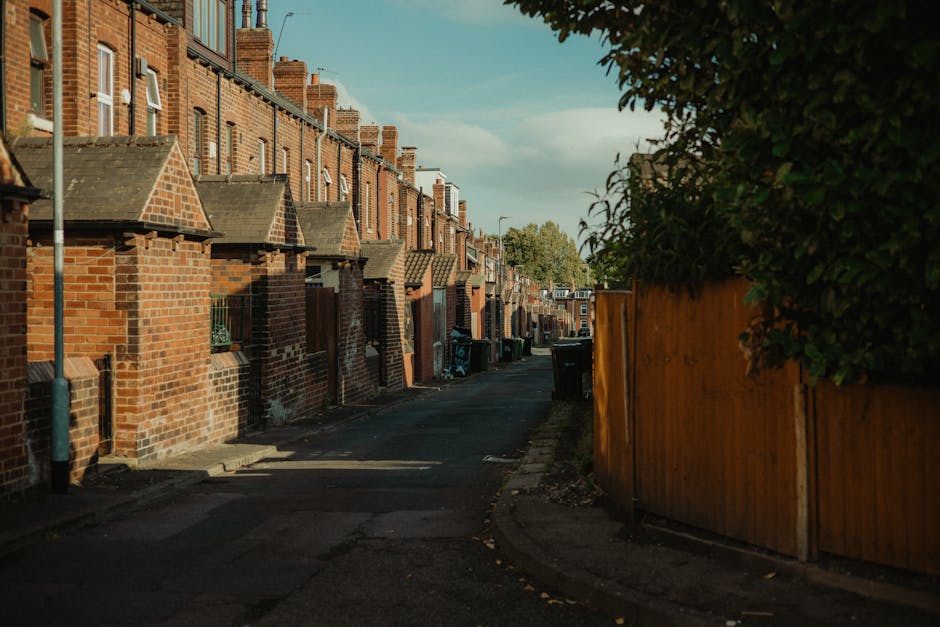
UB7 Move Times: When Yiewsley Streets Allow Removals
Planning a move in Yiewsley can feel straightforward right up until the street itself becomes the puzzle. A van is booked, boxes are ready, and then you realise the road is narrow, parking is tight, school traffic is building, and someone has asked whether the removals team can even unload at that time. That is where UB7 Move Times: When Yiewsley Streets Allow Removals matters. It is not just about choosing a day. It is about choosing a realistic window, understanding local access, and making sure the move fits the rhythm of the street rather than fighting it.
This guide breaks down how move timing works in Yiewsley, what to check before you book, how to avoid access delays, and how to plan around the practical realities of UB7 roads. Whether you are moving a flat, a family house, a student room, or a few bulky items, the right timing can save money, reduce stress, and stop a small logistical issue from becoming a long, expensive one. And truth be told, that extra planning often matters more than people expect.
If you want broader support while you plan, it can help to look at the wider removal services in Yiewsley available locally, especially if your move needs packing, storage, or a vehicle sized for tighter streets.
Table of Contents
- Why UB7 Move Times: When Yiewsley Streets Allow Removals Matters
- How UB7 Move Times: When Yiewsley Streets Allow Removals Works
- Key Benefits and Practical Advantages
- Who This Is For and When It Makes Sense
- Step-by-Step Guidance
- Expert Tips for Better Results
- Common Mistakes to Avoid
- Tools, Resources and Recommendations
- Law, Compliance, Standards, or Best Practice
- Options, Methods, or Comparison Table
- Case Study or Real-World Example
- Practical Checklist
- Conclusion
- Frequently Asked Questions
Why UB7 Move Times: When Yiewsley Streets Allow Removals Matters
Yiewsley has the kind of streets that reward good timing. Some roads are fine early in the morning but get crowded later. Others are calmer midweek, then suddenly busy because of commuters, school runs, deliveries, or nearby commercial traffic. If your removals van arrives at the wrong moment, the team may spend more time waiting than loading. That can affect the whole schedule.
For residents in UB7, timing matters for a few practical reasons:
- Access: some streets are awkward for larger vehicles, especially if cars are parked tightly on both sides.
- Loading time: if the van cannot park close to the property, carrying distance goes up and the move slows down.
- Neighbour impact: blocking a narrow road or entrance can upset residents and create avoidable tension.
- Safety: rushed unloading around moving traffic, wet pavements, or tight corners is never ideal.
- Cost: extra waiting or repeated trips can increase the time needed, which may affect the quote.
There is also the simple fact that a move is already tiring. The last thing you need is an avoidable delay because everyone underestimated the street outside. A calm 8:00 a.m. start can be far better than a late-morning slot that looks nice on paper but clashes with local traffic patterns. Little things, big difference.
If your move includes large furniture, the timing question becomes even more important. A sofa that has to be angled through a doorway while cars squeeze past on the road is not a fun little puzzle. In those situations, a helpful companion read is furniture removals in Yiewsley, which is especially relevant when you are planning access for bulkier items.
How UB7 Move Times: When Yiewsley Streets Allow Removals Works
There is no single universal move time for every road in UB7. The practical answer depends on the street, the property type, the vehicle size, and whether any temporary parking arrangement is needed. In most cases, removals are scheduled by combining local knowledge with a realistic assessment of traffic, access, and the volume of belongings.
Here is how the process usually works in practice:
- Check the property access. Is there a driveway, a forecourt, a loading area, or only roadside parking?
- Look at the street pattern. School start and finish times, commuter periods, market activity, and delivery traffic can all matter.
- Choose a sensible start window. Early morning often gives you a calmer road, but not every household can manage that.
- Match the vehicle to the road. A smaller van may be more suitable on some streets than a larger removal lorry.
- Confirm loading expectations. If the team has to carry items from further away, the schedule should reflect that.
- Build in contingency. A slight delay for parking or access can happen. Good planning leaves room for it.
The best move times are usually the ones that reduce friction. On a quiet residential street, that may mean a weekday morning. On a busier stretch, it may mean avoiding the exact hours when the road is busiest. Not glamorous, but effective.
For many people, especially those moving on short notice, a flexible service is the difference between a smooth day and a scramble. If you need a quicker turnaround, same-day removals in Yiewsley can be useful, though the street access question still needs to be checked carefully.
Key Benefits and Practical Advantages
Getting the move time right does more than save a few minutes. It improves the whole experience. You can feel the difference almost immediately when the van arrives and there is space, calm, and a clear plan.
- Less waiting: fewer delays mean less time with doors open, boxes exposed, and people standing around.
- Lower stress: when the road is predictable, the move feels manageable rather than chaotic.
- Better protection for belongings: fewer stop-start moments mean less handling and less chance of knock damage.
- Easier parking management: the right time gives you a better chance of finding a close, workable spot.
- Cleaner communication: everyone knows when to arrive, what to move first, and how long the access window lasts.
There is also a small but real emotional benefit. A good move time creates momentum. The team starts, the first load goes well, and suddenly the whole day feels under control. That matters. People underestimate momentum all the time.
If you are comparing service levels, it may help to review the broader services overview so you can match timing, packing support, and vehicle choice to the kind of move you are actually doing.
Who This Is For and When It Makes Sense
This topic is relevant to far more people than you might think. It is not just for large house removals or business relocations. Any move in Yiewsley where road access could be tight, time-limited, or shared with other traffic benefits from planning around street conditions.
It especially makes sense for:
- Flat movers: where parking close to the entrance can be tricky, and stair access adds extra time.
- Households with bulky furniture: beds, wardrobes, sofas, and dining tables take time and space.
- Students: a small move can still be stressful if it lands during a busy street period.
- Office or studio moves: time windows matter when business interruption has to stay minimal.
- People with last-minute schedules: a quick booking still needs practical access planning.
- Anyone using storage: if items are split between property and storage, timing becomes a bit more layered.
Students in particular often benefit from light, efficient moves that do not overcomplicate the day. If that sounds familiar, the dedicated student removals in Yiewsley page gives a better sense of what a smaller, more flexible move can look like.
And if your move involves storing items temporarily because the street access is awkward or your completion times do not line up, the option of storage in Yiewsley can take the pressure off. Not every move needs everything to happen on one day. Sometimes that is the smartest choice, honestly.
Step-by-Step Guidance
Here is a practical way to plan around UB7 move times without making it more complicated than it needs to be.
1. Inspect the street before move day
Walk or drive past the property at the time you expect the removals team to arrive. Look at parked cars, delivery patterns, and how easy it is to pull in and out. A street that feels fine at 10 a.m. may be much busier at 8:15 a.m., especially near school routes.
2. Decide what kind of vehicle the street can handle
Some roads are better suited to a smaller van or flexible man-and-van setup. Others can take a larger removal vehicle without much drama. The point is not to force the biggest option available. The point is to pick the one that fits the street.
3. Estimate carrying distance
If the van cannot stop directly outside, you need to account for extra carrying time. That matters a lot if you are moving heavy boxes or awkward furniture. If you are doing any lifting yourself, it is worth reading efficient heavy lifting for solo movers before you start shifting bulky items on your own.
4. Prepare the property for fast loading
Put the essentials by the exit, label boxes clearly, and protect hallways or floors where needed. The smoother your internal setup, the less street access matters. It is a bit like tightening all the loose screws before you move the wardrobe. Boring? Maybe. Useful? Absolutely.
5. Confirm timing with everyone involved
Make sure the removals team, landlord, estate agent, and anyone handing over keys know the timing. If your move depends on a completion or handover, leave a little breathing room. The estate-agent-style optimism of "it should be fine" is not a plan.
6. Keep a backup option
If access turns out to be tighter than expected, be ready to adapt. That might mean switching to a smaller vehicle, moving smaller loads first, or using temporary storage. Flexibility often saves the day.
Expert Tips for Better Results
From a practical removals point of view, the best move times are the ones that make the day feel uneventful. And that is usually a good thing. Here are a few approaches that tend to help.
- Choose early where possible: roads are often calmer, and you have more time to recover if anything overruns.
- Avoid peak local traffic: if your street feeds into a busy route, think twice before booking the busiest window.
- Use the right packaging: good packing speeds up loading. If you need a refresher, smart packing techniques for a trouble-free house relocation is a useful place to start.
- Declutter before the van arrives: fewer items mean less time on the street and less to carry. The guide on decluttering before a move is genuinely worth a look.
- Protect delicate furniture early: sofas, tables, and soft furnishings can be awkward if you leave wrapping until the last minute. For more on that, see storage and protection for sofas.
- Keep a small essentials bag: keys, documents, charger, kettle stuff, basic tools. The usual chaos reducers.
One simple rule helps a lot: if an item is hard to move inside the house, it will almost certainly be hard to move on a busy street. So plan the route, the timing, and the lifting together.
For very large or delicate items, specialist handling can be the safer route. A piano, for example, is not something you want to improvise with on a cramped road. If that is part of your move, read DIY or professional piano moving before making assumptions.
Common Mistakes to Avoid
A lot of removals stress comes from timing mistakes that could have been avoided with a 10-minute check. Here are the ones people make most often.
- Booking without checking parking reality: a time slot means very little if there is nowhere to stop.
- Assuming "off-peak" is always quiet: some local patterns are less obvious than that.
- Underestimating loading time: especially with flats, stairs, or large furniture.
- Leaving packing until the morning of the move: that is how days turn noisy and messy fast.
- Forgetting weather: rain, slippery paths, and poor visibility can slow everything down.
- Not measuring awkward items: mattresses, wardrobes, and bed frames can turn into problems if you guess.
Another subtle mistake is treating every move as if the street will behave kindly. It might. Or it might not. Yiewsley roads can be friendly one hour and slightly stubborn the next. Best not to rely on luck.
If you are moving a bed or mattress, it is worth doing a proper prep pass. The guide on moving your bed and mattress can help you avoid the classic "this looked easier in the bedroom" moment.
Tools, Resources and Recommendations
You do not need specialist equipment for every move, but a few basics make street-based removals much easier.
| Tool or Resource | Why It Helps | Best Used For |
|---|---|---|
| Furniture blankets | Protects surfaces from scuffs and knocks | Sofas, tables, wardrobes |
| Strong tape and labels | Makes boxes easier to identify and stack | All packing stages |
| Gloves with grip | Improves control when lifting heavy items | Boxes, white goods, awkward items |
| Door protectors | Reduces damage in tight hallways | Homes with narrow internal access |
| Trolley or sack truck | Speeds up short-distance transport | Heavier boxes and appliances |
| Storage option | Helps if timing or access does not line up | Split moves, delays, downsizing |
For customers who want a simpler route, the local man and van service in Yiewsley can be a practical option for smaller loads or shorter access windows. It is often a better fit than going straight for something larger and less nimble.
If you need boxes, wraps, or other packing materials, the packing and boxes in Yiewsley page is useful for sorting those basics without a last-minute dash to the shops.
And if you care about what happens after the move, it is reassuring to know a good provider should also think about reuse and waste handling. The recycling and sustainability information is worth checking if you want a more responsible approach to unwanted items.
Law, Compliance, Standards, or Best Practice
For most household moves in Yiewsley, the main compliance issues are practical rather than legalistic. You are usually dealing with access, parking, safety, and reasonable consideration for neighbours. Still, a few best-practice points matter.
- Do not block access unnecessarily: think about pedestrians, neighbours, and emergency access.
- Use safe manual handling: heavy lifting should be planned, not improvised.
- Check building rules: flats and managed properties sometimes have lift booking rules, loading times, or entrance instructions.
- Follow insurer expectations: if you are moving valuable or fragile items, it helps to know what cover applies.
- Keep communication clear: building managers, neighbours, and drivers all appreciate advance notice.
Good removals companies also tend to have clear policies on safety and responsibility. If you want to review the basics, the health and safety policy and insurance and safety pages are worth a read. That sort of detail does not sound exciting, but it gives you confidence when the day gets busy.
There are also standard consumer-facing documents that matter, even if nobody wants to think about them during a move. You can review the terms and conditions, payment and security, and complaints procedure pages if you want a clearer picture of how the service is structured and supported.
Options, Methods, or Comparison Table
Not every Yiewsley move needs the same approach. The right method depends on the size of the load, the access conditions, and how much time you can give the team on the street.
| Method | Best For | Strengths | Watch Outs |
|---|---|---|---|
| Small man-and-van move | Studios, single rooms, lighter loads | Flexible, easier on narrow streets, often quicker to arrange | Less suitable for large household contents |
| Full removal van | House moves, bulk furniture, fuller loads | More capacity, fewer trips | Needs better parking and access |
| Flat move with access planning | Upper-floor or managed properties | Good for structured loading and lift planning | Can be slowed by stairs or shared entrances |
| Split move with storage | Delayed completions or limited access | Reduces pressure on the day | Requires extra coordination |
As a rule of thumb, if the street is awkward, the method should be simpler. If the load is bulky, the access time should be more generous. And if the schedule is tight, it is worth asking whether a smaller, quicker setup is smarter than a bigger one that fights the road.
Case Study or Real-World Example
Here is a realistic Yiewsley-style scenario. A couple moving from a first-floor flat near a residential side street had a completion window that looked fine on paper, but the road was lined with parked cars after school drop-off. Their first thought was to book a late-morning arrival. Sensible? Sort of. But when they walked the street the day before, they realised there would be less space than expected and more people coming and going.
They adjusted the plan. The removals team came earlier, before the heavier traffic built up. Smaller items were boxed and ready by the door. The larger furniture was dismantled in advance. One sofa, one mattress, a dining table, and several awkward boxes all moved out while the street was still relatively calm. No drama, no circling for parking, no awkward pauses with the front door open.
What made the difference was not luck. It was timing, preparation, and a realistic view of what the street could handle. They also had a backup in mind in case the parking was worse than expected. That sense of "we have a plan B" takes a huge amount of pressure off. A small thing, really, but you feel it.
That is why UB7 move times are worth thinking about properly. The street is part of the move. Not an afterthought.
Practical Checklist
Use this checklist in the days leading up to your move.
- Confirm the best arrival time for the street.
- Check parking, loading space, and any height or access restrictions.
- Measure large furniture and fragile items.
- Label all boxes clearly by room.
- Pack essentials separately for easy access.
- Protect floors, doorframes, and corners if needed.
- Decide whether you need storage, a smaller van, or a more flexible collection time.
- Tell neighbours or building managers if access might be temporarily blocked.
- Review safety, insurance, and payment details before move day.
- Keep contact numbers handy in case timing shifts slightly.
Quick practical summary: if the street is tight, the move should be early, simple, and well packed. If the road is busy, build in extra time. If the load is bulky, choose a vehicle and a team that can actually handle the space outside. That one decision usually saves more stress than any last-minute fixing ever will.
Conclusion
UB7 move times are really about respect for the street, the schedule, and your own energy. Yiewsley removals go more smoothly when the vehicle arrives at a sensible point in the day, the access route has been checked, and the move plan matches local conditions instead of ignoring them. That may sound simple, but simple is often what works.
Whether you are moving a small flat, a full family home, or a few heavy pieces, the right timing can improve safety, reduce waiting, and make the whole day feel more controlled. And if your move needs a bit more support, the local service pages, packing guides, and safety information can help you choose the approach that fits best. No need to overcomplicate it. Just make the street work for you, not against you.
Get a free quote today and see how much you can save.
And if you are still weighing up the details, that is perfectly normal. A good move begins with a steady plan, and sometimes the quietest street on the quietest morning turns out to be the best decision you make all week.
Frequently Asked Questions
What does UB7 move times mean in practical terms?
It refers to choosing a removals time that fits local street conditions in Yiewsley, including parking, traffic flow, access, and how busy the road is at that moment.
Is there one best time of day for removals in Yiewsley?
Not one universal time. Early morning often works well because streets are calmer, but the best slot depends on the exact road, the property type, and whether parking is available close by.
Do I need to check parking before booking a removals van?
Yes. Parking is one of the biggest reasons a move slows down. If the van cannot stop nearby, loading takes longer and may become harder on narrow roads.
Are smaller vans better for UB7 streets?
Sometimes, yes. Smaller vehicles are often easier on tighter residential roads or where parked cars reduce space. A larger van may be better for fuller house moves if access is straightforward.
What if my move date is fixed but the street is busy?
Then it helps to plan around the street rather than the calendar. You can use earlier arrival times, split loads, or temporary storage if needed. Flexibility helps a lot here.
How much extra time should I allow for a move with limited access?
It depends on how far the van must park from the property and how many heavy items you have. Even a short walk from the van can add meaningful time if you are moving bulky furniture.
Can I arrange same-day removals in Yiewsley if the street is difficult?
Yes, in some cases. But the street conditions still matter, so it is worth checking whether same-day access is realistic for the type of vehicle and volume you need to move.
What items need the most timing care during a move?
Large or awkward items usually need the most attention, such as sofas, beds, mattresses, wardrobes, and pianos. These can slow loading if access is tight or parking is awkward.
Should I use storage if my move timing is complicated?
Storage can be a very sensible option if completion times, key handovers, or street access do not line up neatly. It reduces pressure and gives you more control over the day.
Do removals companies usually help with packing and preparation?
Many do, or they can at least advise on it. Packing properly makes street-based moves faster because fewer delays happen at the door and inside the property.
What should I ask a removals company before booking?
Ask about vehicle size, expected arrival time, access planning, insurance, and whether they have experience with local roads. Clear answers usually tell you a lot.
How do I know if I need a full removal service or a man and van?
If you are moving a full household, heavy furniture, or lots of boxes, a fuller removal setup is often better. For smaller or more flexible moves, a man and van service may be the better fit.
Is it worth reading safety and policy pages before booking?
Yes, especially if you want to understand insurance, handling standards, payment terms, or what happens if plans change. The details are boring, but useful. Very useful.
What is the biggest mistake people make with move timing?
They assume the street will be convenient at any time. In reality, local traffic patterns, parked cars, and access issues can change the whole pace of a removals day.