Commercial Moves in Yiewsley
If you are planning commercial moves in Yiewsley, you are probably balancing a lot at once: staff continuity, equipment safety, building access, deadlines, and the practical reality of moving a working business without unnecessary disruption. Whether you are relocating a small office, transferring a retail unit, shifting storage from one premises to another, or moving a growing company into a larger workspace, the process needs to be organised, efficient, and suited to local conditions.
Yiewsley has its own character and practical challenges. With a mix of residential streets, light industrial spaces, local shops, trade premises, office units, and properties close to busy routes and transport links, commercial relocations here need local awareness. Parking can be tight, access can be limited by narrow roads or shared entrances, and timing often matters because businesses want to keep operating with as little interruption as possible. That is why using a local team familiar with the area can make a real difference.
Our approach to commercial removals in Yiewsley is built around real business needs. We understand that every move is different, and that a one-size-fits-all approach is rarely suitable for companies with stock, files, IT equipment, furniture, machinery, or specialist items. From the initial planning stage through to the final placement of items in your new premises, the aim is to make the transition organised, practical, and manageable.

Commercial Moves for Local Yiewsley Businesses
Businesses in and around Yiewsley come in many forms. Some are small teams moving from a shared office into their own suite. Others are retailers changing unit size, contractors relocating tools and stock, or professional services firms moving closer to transport links and clients. Commercial moves in Yiewsley need to reflect that variety, because the demands of a consultancy are not the same as those of a warehouse, shop, or clinic.
A well-managed commercial move starts with understanding what needs to be moved, when it needs to move, and how the move can be completed safely. That means looking at access points, lift use, stairways, parking restrictions, loading areas, and the volume of items involved. It also means thinking about business continuity: how can the move be phased so that staff can keep working, customer service is not delayed, and essential documents or systems remain available when needed?
For local businesses, the main value of a carefully planned move is simple: less stress, less downtime, and fewer unexpected problems. A local commercial removals team can help you navigate Yiewsley’s streets and property layouts more efficiently than a non-local provider unfamiliar with the area. That local knowledge becomes especially useful when dealing with time-sensitive deliveries, access windows, and commercial buildings where loading arrangements need to be handled precisely.

What Is Included in a Commercial Move?
Every business has different needs, but most commercial relocations involve a combination of planning, packing, handling, transport, and placement. The exact service can be tailored to the size of your organisation and the nature of your items. The aim is to provide a move that is practical rather than disruptive, with the right level of support for your premises and your team.
Typical features of a commercial moving service in Yiewsley may include:
- Pre-move planning and scheduling
- Furniture dismantling and reassembly where needed
- Careful handling of office equipment and furniture
- Moving archive boxes, files, stock, and supplies
- Transport for items between business premises
- Loading and unloading with attention to access and safety
- Placement of items in the correct areas at the new site
- Support for phased moves when a full shut-down is not practical
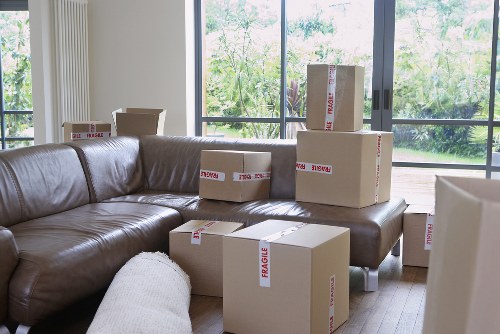
Some businesses also need specialist handling for items such as IT servers, printers, display units, sensitive paperwork, laboratory-style equipment, shop fittings, or trade tools. If that applies to your company, it is important to plan ahead so that fragile or valuable items are protected properly throughout the move. A good relocation plan will also consider whether certain items should be moved first, last, or on a separate schedule.
Why Yiewsley Businesses Need a Local Approach
Yiewsley is not a generic business district, and that matters. Local roads, shared access points, parking rules, and mixed-use buildings all affect how a commercial move needs to be handled. A business on a quiet residential-adjacent street may have very different access issues from a premises near busier routes or close to transport corridors. Understanding those differences is part of keeping a move on track.
Local commercial removals in Yiewsley can be especially helpful where timing is tight. Some businesses need to move outside working hours, early in the morning, or during a quieter trading period. Others may need to relocate over a weekend to avoid interrupting customer service. Having a nearby team makes it easier to coordinate those timings and adjust plans if the building, weather, or traffic creates a last-minute challenge.
There is also the issue of property type. Yiewsley includes a mix of older buildings, modern units, converted spaces, and premises with shared entrances or limited loading areas. Moving from a shop with narrow access is very different from relocating from a purpose-built office or light industrial unit. When a move is handled by people who regularly work locally, they are more likely to anticipate these practical details before they become problems.
Commercial Moves for Different Types of Premises
Not every business move looks the same. Some customers need a straightforward office relocation, while others are transferring stock, machinery, or specialised fixtures. Commercial moves in Yiewsley often involve a blend of property types and business operations, so flexibility is important.
Office relocations
Office moves usually focus on desks, chairs, filing systems, computers, monitors, printers, cabinets, and personal workstations. The goal is to move these items in a structured way so staff can resume work quickly in the new space. Clear labelling and room-by-room planning can help reduce confusion on moving day.
Retail and shop moves
Retail businesses may need help with shelving, display units, point-of-sale equipment, storage stock, and fixtures. Timing is often critical because the move has to fit around trading hours and deliveries. For shop moves, a strong plan helps protect stock, minimise lost sales time, and get the sales floor ready again as efficiently as possible.
Light industrial and trade premises
Trade businesses, workshops, and light industrial users often have heavier or bulkier items to move. That might include tools, machinery, storage racking, consumables, and supplies. These moves can require more careful loading, special handling, or a phased relocation plan to avoid interrupting operations longer than necessary.
Storage and archive transfers
Businesses sometimes need to move archives, boxes of records, seasonal stock, or stored equipment between sites. These moves may look straightforward, but they still require organisation. If items are not clearly labelled or listed, it can be difficult to place them accurately in the new premises. A methodical approach helps ensure nothing is misplaced.
What to think about before choosing your moving date
Business moves often run more smoothly when they are timed around quieter periods. Consider staff availability, landlord access requirements, lease end dates, client commitments, delivery schedules, and any planned works at the new premises. For companies with customer-facing services, it may also be wise to think about the best day or time to reduce disruption.
Commercial moves in Yiewsley can be arranged to suit a wide range of schedules, but the more lead time you give yourself, the easier it is to plan the move around your business needs. Even a simple move benefits from a clear timetable and a realistic packing plan.

How the Service Typically Works
A commercial relocation is usually easier when it is broken down into clear stages. While every move is different, the process often follows a similar structure so that nothing important gets overlooked.
- Initial discussion: You explain the size of the move, the type of premises, and what needs to be relocated.
- Assessment of access and requirements: Parking, loading points, stairs, lifts, and entry restrictions are considered.
- Planning and scheduling: The move is timed around your operating hours, lease dates, or preferred relocation period.
- Packing and preparation: Items are boxed, labelled, dismantled if necessary, and prepared for transport.
- Moving day: Furniture, equipment, stock, and other items are loaded, transported, and unloaded carefully.
- Placement at the destination: Items are placed in the correct rooms or zones so your team can start settling in.
Good communication matters at every stage. If you have items that are fragile, confidential, high-value, or needed immediately on arrival, that should be highlighted early. The move can then be arranged to keep those items separate, accessible, and protected.
Some customers prefer a more hands-on service, where as much of the packing and dismantling as possible is handled for them. Others only need transport and lifting support. Either way, a clear plan helps the move go faster and reduces the risk of delays caused by missing boxes, unclear labels, or access problems on the day.

Preparation Checklist for a Smooth Business Move
Preparation is one of the biggest factors in a successful business relocation. The more organised you are before moving day, the more likely it is that your team will experience a clean and efficient transition. Below is a practical checklist that many businesses find useful when arranging commercial moves in Yiewsley.
- Confirm the moving date and access times for both locations
- Check whether parking or loading permissions are needed
- Identify any large, heavy, or awkward items that may need special handling
- Back up data and secure important files before the move
- Label boxes clearly by department, room, or team
- Separate essential items that need to be available immediately after arrival
- Notify staff of the moving schedule and responsibilities
- Arrange disposal or recycling for items you no longer need
- Measure new spaces if furniture placement matters
- Plan for IT setup, phone lines, and any equipment reinstallation
One of the most useful things you can do is create a simple priority list. For example, some items may be needed during the first hour in the new building, while others can be unpacked later. This helps avoid confusion and makes the first day in the new premises much more manageable.
If your business operates across multiple teams or departments, it can also help to appoint a move coordinator. That person can answer questions, manage labels, and make decisions on-site if anything needs to be adjusted quickly. For larger office moves or multi-stage relocations, a single point of organisation is often the difference between a smooth transition and a chaotic one.
Pricing Factors for Commercial Removals
Business owners naturally want to understand what affects the cost of a relocation. Exact pricing can vary depending on the size and complexity of the move, so it is usually best to request a tailored quote based on your premises and requirements. That said, there are a few common factors that influence the overall job.
Main pricing considerations
- Volume of items: More furniture, stock, or equipment usually means more time and vehicle space.
- Access conditions: Tight staircases, limited parking, upper floors, or loading restrictions can affect labour and timing.
- Distance between premises: Even local moves may vary depending on the route and how many trips are needed.
- Special handling needs: Fragile items, high-value equipment, or heavy objects may require extra care.
- Packing support: If packing, dismantling, or reassembly is included, that will affect the scope of work.
- Timing: Out-of-hours, weekend, or phased relocations can involve different planning requirements.
Transparency is important. A useful quotation should reflect the real nature of the move, rather than relying on assumptions. If your business is in a mixed-use building, has difficult access, or requires an unusual schedule, it is better to explain that upfront so the move can be planned accurately.
For many local companies, the best value is not simply the lowest figure. It is the combination of reliability, local knowledge, careful handling, and a move that allows staff to get back to work quickly. When choosing a provider for commercial moves in Yiewsley, think about the practical outcome you need, not only the headline cost.
Why Choose a Local Company in Yiewsley?
There are several reasons why local knowledge matters. A local company understands the pace of the area, the likely access issues, and the kind of properties that businesses in Yiewsley commonly use. That can save time during planning and reduce the likelihood of delays on moving day.
A nearby team can also be more responsive when your schedule changes. Commercial relocations often involve moving deadlines, contractor coordination, landlord arrangements, and unexpected adjustments. If you need to move quickly, or if your plans are broken into phases, having a local provider can make communication and coordination far easier.
Just as importantly, a local approach often means better practical advice. For example, if parking is likely to be an issue near your premises, or if your property has shared access with neighbouring businesses, that can be factored into the schedule from the start. The result is a relocation that feels organised rather than rushed.
Who we help
Commercial moves in Yiewsley can support a wide range of customers, including:
- Office teams and professional practices
- Retail shops and customer-facing units
- Warehouses, storage users, and distribution businesses
- Tradespeople and workshop operators
- Small businesses moving between shared and private premises
- Growing companies upgrading to larger accommodation
Whether you are moving a few desks or a full business setup, a local service gives you a practical route from one site to the next. The aim is to keep your day-to-day work moving with as little disruption as possible.
Areas Covered Around Yiewsley
Commercial relocation work in Yiewsley often extends to nearby neighbourhoods and business areas where companies may be moving between local premises or expanding across the borough. This can include surrounding parts of West Drayton, Hayes, Hillingdon, and other nearby commercial zones, depending on the type of move and the route between buildings. Businesses also often relocate between local high streets, industrial estates, and office parks across the wider area.
Because many commercial customers operate across multiple sites, it is useful to work with a team that can handle moves both within Yiewsley and to nearby destinations. A short-distance move may still require the same level of care and planning as a longer relocation, particularly when equipment, files, or customer stock are involved.
If your business is moving into or out of premises near busy transport links, shared car parks, or streets with limited waiting space, local experience becomes even more valuable. It helps with timing, loading strategy, and route planning, all of which contribute to a smoother move.
Common Questions About Commercial Moves in Yiewsley
How far in advance should I book?
It is best to arrange your move as early as possible, especially if you need a specific date, out-of-hours work, or a phased relocation. More notice usually gives you greater flexibility and helps the move team plan around your business requirements.
Can you move businesses outside normal hours?
Many commercial customers prefer early starts, evening moves, or weekend work to reduce downtime. The exact timing will depend on the move itself and the access allowed at each premises, but flexible scheduling is often important for business customers.
Do I need to pack everything myself?
That depends on the level of support you want. Some customers pack in-house, while others prefer help with packing, dismantling, and preparation. If your team is busy keeping the business open, outsourcing more of the packing can save time and reduce pressure.
What if my premises has difficult access?
That is a common issue in commercial moves. Narrow access, stairs, limited parking, shared entrances, or loading restrictions can all be managed more effectively when they are identified early. This allows the move to be planned around the access available.
Can sensitive or confidential items be moved safely?
Yes, provided they are identified in advance and handled appropriately. Confidential files, secure records, and sensitive equipment should be clearly labelled and separated if needed so they can be transported and placed correctly.
Will the move disrupt my business?
Some disruption is natural, but a well-organised relocation aims to keep that disruption as low as possible. The best way to reduce impact is with careful planning, clear labelling, and realistic scheduling around your business operations.
What Makes a Commercial Move Successful?
In practical terms, a successful business move is one where items arrive safely, staff know where things belong, and the company can return to normal activity quickly. That usually depends on a few key ingredients: early planning, clear communication, proper handling, and a moving team that understands the realities of commercial work.
For local customers in Yiewsley, success also depends on local awareness. If the team knows how to deal with parking limits, building access, and the mixed layout of local premises, the move is much more likely to stay on schedule. That is why many businesses prefer a local service rather than a generic, one-size-fits-all approach.
If your company is preparing for relocation and you want the process handled with care, now is the right time to start planning. Contact us today to discuss your requirements, request a free quote, and arrange a move that fits your business schedule. If you are ready to proceed, book your service now and take the first step toward a smoother commercial move in Yiewsley.
Helpful Checklist Before Moving Day
Before your commercial relocation begins, use this final checklist to stay organised:
- Confirm the move date and any access arrangements
- Make sure the new premises are ready to receive items
- Separate urgent items from non-essential items
- Label cables, devices, and furniture where relevant
- Inform staff of arrival and departure times
- Keep important documents secure and accessible
- Plan for the first day’s workstation setup
- Check for any parking or loading restrictions near both sites
A bit of preparation goes a long way. When the move starts, you will want a clear system rather than a last-minute scramble. The more your team prepares in advance, the easier it is to settle into the new business premises without losing momentum.
Whether you are relocating a compact office, a retail unit, a workshop, or a larger commercial site, the right local support can turn a difficult job into a manageable one. With practical planning and a team that understands the local area, commercial moves in Yiewsley can be completed in a way that protects your time, your equipment, and your operations.