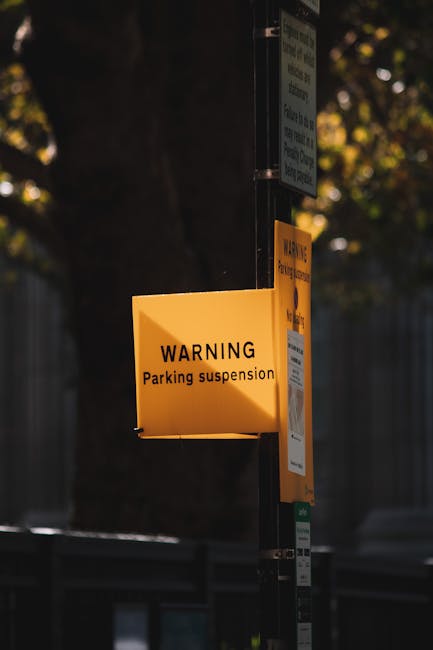
Avoid Hillingdon Council parking fines on Colham Road
Posted on 06/07/2026
If you are planning a move, a delivery, or even a short stop on Colham Road, the last thing you want is a yellow envelope tucked under the wiper. Avoid Hillingdon Council parking fines on Colham Road is not just about being careful with a kerbside stop; it is about planning the whole job properly so the vehicle, the timing, and the access all work together. That matters even more if you are carrying bulky furniture, working to a tight slot, or trying to unload without blocking the road. A small bit of preparation can save a lot of annoyance.
In this guide, we will break down how parking controls typically affect day-to-day moves on roads like Colham Road, what usually catches people out, and how to reduce the risk of a penalty in a practical, realistic way. We will also look at step-by-step planning, common mistakes, and a simple checklist you can use before the van door opens. No drama, no waffle. Just useful local advice that helps you stay calm and keep the move moving.
Why Avoid Hillingdon Council parking fines on Colham Road Matters
Parking enforcement can turn a straightforward stop into an expensive inconvenience faster than most people expect. On a road like Colham Road, the problem is rarely just "did I park?" It is usually "did I park correctly, for long enough, in the right place, at the right time?" That sounds obvious, but in real life people are juggling boxes, keys, lift access, traffic, and a van that seems to be in the way no matter where it sits.
For home movers, landlords, tradespeople, students, and businesses using a van for short-term loading, a fine can throw off the whole day. There is the direct cost, of course, but there is also the delay. If you have helpers standing around, a sofa halfway through a doorway, or a fridge that needs to go in immediately, a parking issue can create a very awkward pause. And let's face it, nobody wants to be that person arguing with traffic wardens while the mattress is still on the pavement.
It matters because Colham Road is the sort of place where routine parking habits do not always work for a loading job. A bay may be time-limited, a section may be restricted, or the nearest sensible stopping point may be further away than expected. Planning with that in mind is the difference between a tidy, controlled move and a rushed one that gets messy by 10:15 in the morning.
One other thing: the risk is not only for the driver. If you are hiring help, using a man and van, or splitting the job between friends, the responsibility can blur. That is usually when mistakes happen. Clarity helps.
How Avoid Hillingdon Council parking fines on Colham Road Works
Think of it as a three-part process: understand the restriction, match the vehicle and timing to the space, and then load or unload with discipline. The idea is simple, but it pays to be methodical.
1. Check what type of stopping place you are dealing with
On streets like Colham Road, the practical issue is often not whether a driver can stop for a moment, but whether the stop is lawful for the purpose and duration needed. A loading bay, single yellow line, permit area, or unrestricted section all behave differently. Even if other cars are there, that does not make the spot safe to use. A quick glance is not enough; you need to understand the sign as well as the paint on the road.
2. Match the task to the vehicle
A small van may fit more easily into a loading space, while a larger removal van may make sense only if there is more generous access. If your vehicle is too big for the space, the driver may have to overhang, double-park, or stop further away, and that is where penalties often creep in. This is one reason people preparing a larger move often review broader moving guidance first, such as simple ways to keep a house move calm and organised before the day begins.
3. Keep the loading window tight and purposeful
Parking tolerances are often more forgiving when a vehicle is actively loading or unloading, but that does not mean you can wander off, make tea, or spend 20 minutes deciding where the kettle goes. The activity should be obvious, continuous, and genuinely linked to the loading task. In plain English: have people ready, items grouped, and a clear sequence. If you are still packing the last drawer while the engine is ticking over, you are making life harder than it needs to be.
4. Build a backup plan
Sometimes the nearest legal space is taken, or a marked bay is already full. A realistic backup plan might mean parking a little further away and carrying items in shorter runs, adjusting the schedule so the van arrives after peak school-run pressure, or splitting the move into two smaller trips. That is not glamorous. It is effective. And effectiveness is what saves fines.
Key Benefits and Practical Advantages
The obvious benefit is avoiding penalties. But the practical advantages go deeper than that, especially on a busy local road where every minute counts.
- Less wasted time: no circling the street, no last-minute re-parking, no pausing the job to deal with a ticket.
- Safer handling: when the van is in the right place, heavy items can be moved with fewer awkward carries and fewer near-misses.
- Better customer experience: if you are moving for someone else, a smooth arrival makes the whole operation look and feel professional.
- Less stress: nobody wants the mood of the day to be set by a parking charge before the first box is out.
- Lower risk of damage: when items are carried over a shorter, planned route, there is less chance of scraping corners, walls, or door frames.
There is also a quiet financial benefit that people forget. A parking fine is not just a one-off charge. It can create knock-on costs: extra labour time, missed return journeys, fuel waste, and sometimes even storage or rescheduling. Once you add those up, the original "quick stop" was never quick at all.
For movers handling furniture, beds, or delicate items, proper planning also fits naturally with good packing and handling habits. If you are already organising boxes and wrapping fragile items, it makes sense to think about access at the same time. That is why practical planning resources like smart packing techniques for a trouble-free move can be surprisingly useful alongside parking planning.
Who This Is For and When It Makes Sense
This advice is for anyone who needs to stop on Colham Road without creating avoidable parking trouble. That includes people moving house, tenants shifting flats, landlords arranging clearances, students with smaller loads, and local businesses doing deliveries or collections. If you are bringing in bulky items, the risk is even higher because the loading process takes longer and tends to involve more back-and-forth.
It also makes sense if you are using a larger vehicle for the first time. Many people are fine driving a car but underestimate how much space a van needs, especially near parked cars, junctions, or tighter access points. The van itself is not the problem. It is the margin for error.
Truth be told, the people who benefit most from this kind of planning are often the people who think they do not need it. A quick stop can turn into a 20-minute job very easily. You only realise that when the doors are open and the first item is halfway out.
Some common scenarios:
- A family move with furniture that must be unloaded close to the front door.
- A solo mover using a rented van and needing several trips.
- A local delivery team dropping off a sofa, mattress, or appliance.
- A student move with limited carrying help and a short window between check-out and handover.
- A business move where equipment needs to come in and out quickly.
If your move includes awkward or bulky items, it may help to review specific lifting and handling advice too, such as practical heavy-lifting tips for solo movers and guidance for moving beds and mattresses safely.
Step-by-Step Guidance
Here is a straightforward way to plan a Colham Road stop without getting caught out.
- Identify the exact loading point before the day arrives. Don't leave this until the van is already on the street. Walk or map-check the area in advance if you can.
- Read the sign properly. Parking restrictions can be easy to misread when you are under pressure. Take an extra minute. It is rarely wasted time.
- Choose the right vehicle size. If the job is awkward and the vehicle is too large, that can force a poor parking decision. Smaller vans sometimes make more sense for tight roads.
- Load in a clear sequence. Put the biggest, heaviest, or most urgently needed items closest to the door first. Keep the rest organised nearby.
- Have people ready to move. The worst loading setups are the ones where the van arrives and everyone is still looking for tape, gloves, or the keys to the new place.
- Keep the stop active. If the vehicle is parked for loading, loading should be happening. No long gaps.
- Build in a fallback route. If the space is occupied, know where you will move next. A plan B is not overkill. It is common sense.
- Watch for peak-time pressure. School runs, commuter flow, and weekend traffic can all affect how quickly you can work.
A small but useful detail: keep essentials separate. Keys, documents, parking notes, and a phone should not be buried under blankets and boxes. That sounds obvious, yet people do it every single day. We have all been there, rummaging through a bag while the one thing you need is at the bottom, somewhere under bubble wrap and a charger you do not recognise.
If your move is on a tighter schedule, then timing matters just as much as space. A good parallel read is how timing can affect removals on local streets, because a well-planned stop is often safer than a rushed one.
Expert Tips for Better Results
Here are the details that tend to make the biggest difference in real life.
Arrive slightly earlier than you think you need
That extra 10 to 15 minutes gives you room to assess the street, park legally, and avoid the panic that makes people cut corners. Arriving early also helps if a neighbour's car has shifted or a bay has filled unexpectedly.
Use one person as the parking lookout
If you are moving with a team, assign one person to keep an eye on the van and nearby traffic while others carry. It is a simple habit, but it prevents small mistakes turning into bigger ones. Someone should always know where the vehicle sits in relation to the restriction.
Keep the loading route short and clear
Before opening the van, make sure the path from vehicle to property is not blocked by bins, boxes, loose cables, or plant pots. A clean route means less time standing around, and less chance of moving the vehicle twice.
Protect corners and stairs at the same time
Parking badly often leads to bad carrying angles, which is where damage happens. A narrow stop can force a sharper turn into the doorway. If you are moving through a tighter space, read advice like how to handle stairs and access issues for bulky items and safe moving when access is narrow before the day.
Do not assume "just a minute" is enough
On paper, a short stop sounds harmless. In practice, small delays stack up. One minute becomes five, then the driver gets distracted, then the vehicle is left in the wrong place while someone searches for a door code. That is how penalties happen. Fast, focused work is much safer.
Use a van and removals service when the job is too big for ad hoc help
There is no shame in using proper help when a move is awkward. In fact, it can be the smarter choice. If you need support with loading, route planning, or access issues, it may be worth looking at a local man with a van service or general removal services that can handle the job in a more structured way.
Common Mistakes to Avoid
Most parking fines on moving day are not caused by outrageous behaviour. They come from ordinary mistakes made under pressure. Here are the ones that show up most often.
- Reading the sign too quickly. If you are in a rush, you can miss restrictions that matter.
- Assuming loading gives unlimited freedom. It usually does not. The stop still has to make sense and fit the local rules.
- Parking where the van blocks too much of the road. That can draw attention and create safety issues even if you are trying to work quickly.
- Leaving the vehicle unattended for too long. A loading stop should be active and supervised.
- Choosing the wrong vehicle size. A van that is too large for the access point can create a cascade of problems.
- Forgetting to plan the carry distance. A short stop far from the entrance may be less useful than a slightly longer walk from a lawful space.
- Starting without a role split. If nobody knows who is guiding the van, who is carrying, and who is checking the route, the whole thing gets messy.
One particularly common issue is treating a local street like a loading bay because it "looked empty." Empty does not mean unrestricted. That distinction matters. A lot.
Another mistake is not planning for the items themselves. For example, a freezer or sofa can change the whole loading rhythm because you may need extra care, blankets, or a second pair of hands. If those items are part of your move, useful background reading includes storing and handling a freezer safely and protecting sofas during storage and transport.
Tools, Resources and Recommendations
You do not need a complicated toolkit to avoid parking problems on Colham Road. What you need is the right information to hand and a few practical habits.
- A printed or saved move plan: keep the timing, address, access notes, and vehicle details together.
- Phone notes for parking signs: a quick photo can help the driver or helper double-check the setup later.
- Basic moving kit: gloves, tape, blankets, straps, a trolley, and door protection are all useful.
- A packing system: keep essentials apart from general boxes so the first unload is not delayed.
- A storage fallback: if the new place is not ready, short-term storage can prevent rushed decisions on the street.
For broader preparation, some readers also benefit from decluttering before the move. Less clutter means fewer trips, less pressure, and less time parked on the road. A sensible companion piece is this decluttering guide for moving day preparation. If you are packing from scratch, packing and boxes support can also reduce last-minute scrambling.
If your move is on a short deadline, especially with same-day pressure, it may be worth planning with speed in mind, not just convenience. The wrong rush can create a fine. The right urgency keeps things neat.
Law, Compliance, Standards, or Best Practice
Parking enforcement is one of those areas where "I didn't mean to" does not carry much weight. Local restrictions exist for safety, traffic flow, access, and fairness to residents. On streets like Colham Road, that means the driver should always treat the signage and road markings as the starting point, not as a suggestion.
Best practice is straightforward:
- Read the sign and road markings before stopping.
- Assume loading must still be purposeful and time-limited.
- Do not leave the vehicle in a way that creates a hazard or blocks access unnecessarily.
- Use the smallest suitable vehicle where access is tight.
- Keep evidence of your plan, especially where timing and access matter.
If you are hiring a moving team, it is sensible to confirm that they understand safe loading, vehicle positioning, and local access issues before the day. You do not need legal jargon. You need a crew that understands practical risk and works cleanly. That is the real standard here.
For readers comparing moving support, the wider service picture can help too. Looking at the overall service range and health and safety guidance can be a good way to judge whether a provider takes the whole job seriously, not just the lifting.
Options, Methods, or Comparison Table
There are a few ways to handle a Colham Road loading situation. Each has pros and cons, and the best choice depends on the size of the job, the time available, and how tight the street access is.
| Approach | Best for | Strengths | Trade-offs |
|---|---|---|---|
| Careful self-managed loading | Small moves, light items, experienced drivers | Low cost, flexible timing | Higher chance of mistakes if the street is busy or access is tight |
| Man and van support | Medium moves, single-day jobs, local deliveries | Faster handling, easier coordination | Still needs clear parking planning |
| Full removal service | Larger home moves, bulky furniture, difficult access | More structured, less stress, better for awkward items | Usually more expensive, needs more advance planning |
| Split move with storage | Delayed handovers, staged moves, renovation gaps | Reduces pressure on the day, gives more flexibility | Requires extra coordination and handling |
In simple terms, the more awkward the access, the more valuable a structured approach becomes. If you are moving a flat, a family house, or office equipment, a more organised service often makes sense. For those comparing options, house removals support, flat removals help, and office removals planning are all worth considering when the access is not straightforward.
Case Study or Real-World Example
A typical local scenario goes like this. A couple is moving from a nearby property and needs to unload a wardrobe, a bed base, several boxes, and a few fragile items. They park the van where it seems closest to the front door, only to realise after a few minutes that the space they chose is time-limited and not ideal for the length of the unload. The result? One person keeps rushing back and forth, the van is moved halfway through, and the whole rhythm is broken.
Now compare that with a more careful approach. The driver checks the street beforehand, chooses a lawful stopping point a little further along, and the team prepares the furniture in the order it will be unloaded. Two people carry while one person keeps an eye on the vehicle and the route. It is not perfect, and yes, the carry is slightly longer, but the move stays controlled. No fine. No scramble. No awkward moment of watching someone carry a mattress while the driver tries to explain a parking situation that should never have happened.
That is the difference between reacting and planning. You will notice it straight away on the day. The job feels calmer, the route feels shorter, and the likelihood of a penalty drops sharply because the vehicle is being used in a disciplined way.
Practical Checklist
Use this before loading begins:
- Check the exact Colham Road parking restrictions for the spot you plan to use.
- Confirm the van size is suitable for the road and the property access.
- Decide who is responsible for guiding the vehicle, carrying items, and checking the route.
- Prepare boxes, furniture, and loose items before the van arrives.
- Keep keys, phone, and any access codes easy to reach.
- Take a quick look for yellow lines, loading restrictions, bay times, or nearby driveway access.
- Leave enough room for pedestrians, cyclists, and neighbouring traffic.
- Load continuously and avoid long pauses once the vehicle is in position.
- Have a backup parking plan in case the first space is unavailable.
- Use protective equipment for large or awkward items.
Expert summary: the safest way to avoid Hillingdon Council parking fines on Colham Road is to treat parking as part of the moving job, not as a separate afterthought. The more you prepare the vehicle, route, and loading sequence in advance, the less likely you are to make an expensive mistake.
Conclusion
At the end of the day, avoiding parking fines on Colham Road is about respect for the road, respect for the rules, and respect for your own time. If you plan the stop properly, keep the loading active, and match the vehicle to the space, you give yourself a much better chance of a smooth move. That is especially true on busy local streets where one bad decision can ripple through the rest of the day.
The good news? This is very manageable. You do not need perfection. You need awareness, a sensible parking plan, and enough organisation to stop the move from becoming a headache. A calm, methodical approach nearly always beats a rushed one.
If you are preparing a move and want help keeping the process straightforward, take the next step with a service that understands access, timing, and local street realities. Small details matter here, and when they are handled well, everything feels easier.
Get a free quote today and see how much you can save.