Do you need a Hillingdon Council permit for removal vans?
Posted on 26/06/2026
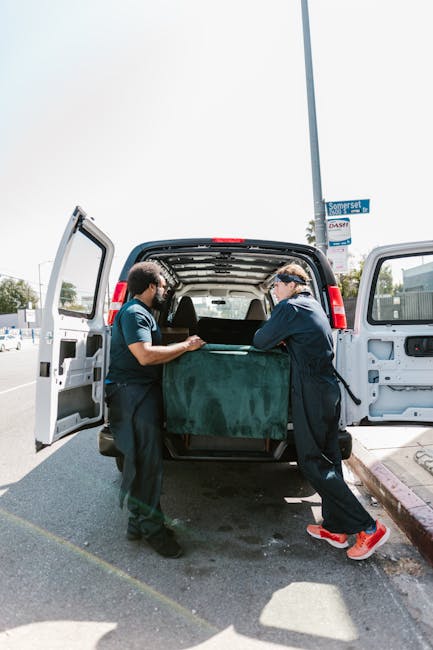
If you are moving home or office in Hillingdon, one of the first practical questions is simple: do you need a Hillingdon Council permit for removal vans? The short answer is usually it depends on where the van will stop, how long it will stay there, and whether it affects parking or traffic controls. That sounds a bit woolly, but in real life it matters a lot. A smooth move can unravel quickly if a removal van turns up and there is nowhere legal to load, unload, or wait.
This guide breaks down the question in plain English. You will learn when a permit may be needed, what councils typically look for, how to plan ahead, and the most common mistakes that catch people out. I will also cover the kinds of moves where a permit is often the difference between a calm morning and a stressful one. If you are juggling boxes, narrow streets, and a tight schedule, that's exactly the kind of detail you want sorted before the first door gets opened.
Why Do you need a Hillingdon Council permit for removal vans? Matters
A removal day is usually busy enough without added parking problems. The reason this question matters is that vans are large, often need space right outside the property, and may need to pause in a bay, on a restricted street, or near a junction. If a vehicle is parked where it should not be, even for a short time, it can lead to warnings, fines, or a very awkward loading process.
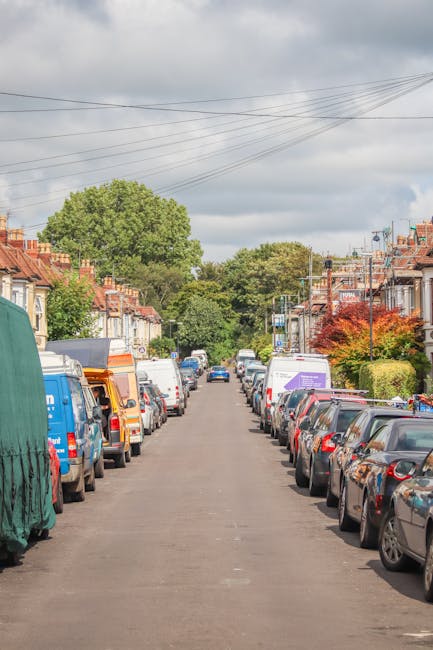
In Hillingdon, as in most London boroughs, the real issue is not the word permit on its own. It is the practical access arrangement. Can the van stop safely? Is there a legal place to load? Are there local parking restrictions, yellow lines, bays, red routes, school restrictions, or resident-only rules to work around? Sometimes the answer is straightforward. Sometimes, not so much. To be fair, that is the nature of moving in London.
If you have ever watched a removal crew circling a street for ten minutes while one person stands outside holding a mattress upright and everyone else looks mildly panicked, you already know the problem. A permit, dispensation, or temporary parking arrangement can prevent that whole scene. And yes, it can also help protect neighbours, keep access open, and reduce the chance of damage from rushed unloading.
Expert summary: For removal vans, the real question is usually whether the van can legally stop close enough to load or unload safely. If parking restrictions apply, plan for permission early rather than hoping for the best.
How Do you need a Hillingdon Council permit for removal vans? Works
The process can vary depending on the street, the time of day, and the type of restriction in place. In practice, many councils handle removal van requests through a parking permit, dispensation, suspension, or an equivalent temporary authorisation. The exact name matters less than the outcome: a legal place for the van to work.
Here is the basic flow most moving jobs follow:
- Check the property location and nearby restrictions.
- Work out whether the van can use a normal parking space, loading bay, or unrestricted area.
- If not, arrange the right permission in advance.
- Confirm the time window for the move, because some streets have stricter loading periods than others.
- Keep evidence or confirmation with the driver on moving day, just in case enforcement officers query it.
That sounds neat on paper. Real life can be messier. One side street may look fine at 8 a.m. and be impossible by lunchtime because of school traffic, shoppers, commuters, or a neighbour's bin collection. If you want a better feel for the sort of access headaches that come up locally, it is worth reading guidance on narrow access in Yiewsley and the related notes on when Yiewsley streets allow removals.
Also, do not assume a permit only applies to commercial vehicles. A larger van used for a home move can still be affected if it needs to pause in a restricted zone. The vehicle's use, the parking rule, and the duration all matter.
Key Benefits and Practical Advantages
Getting the parking side right is not glamorous, but it pays off immediately. The biggest benefit is simple: the move starts on time and stays calmer. That alone is worth a lot when you are staring at a staircase, a sofa that has suddenly become much heavier than you remember, and a kettle that has mysteriously gone missing.
- Less delay: the van can get close to the property instead of hunting for a legal space.
- Lower risk of penalties: you avoid the stress of parking tickets or enforcement action.
- Better safety: shorter carrying distances reduce strain and the chance of dropping items.
- Less neighbour disruption: a planned move is tidier, quieter, and more respectful.
- More efficient loading: especially useful for bulky furniture, appliances, and fragile items.
There is also a hidden benefit people often miss: better control over the whole day. When parking is sorted, the moving team can focus on protecting floors, wrapping furniture, and keeping the route clear. If you have been packing carefully already, as suggested in these smart packing techniques, the permit question becomes one more box ticked rather than a last-minute fire to put out.
And yes, it can save money indirectly. Fewer delays often mean fewer labour hours, less waiting around, and less chance of needing a second trip because access was blocked. Not bad for a bit of admin.
Who This Is For and When It Makes Sense
This issue matters most for anyone moving in or out of a street where stopping space is tight. That includes terraced roads, busy high streets, controlled parking zones, and homes with awkward frontage or shared access. If the van can pull onto a driveway or private forecourt without blocking anyone, you may not need special permission at all. But if the vehicle needs to stop on the road, things change quickly.
It is especially relevant for:
- people moving from flats with limited frontage;
- households on narrow residential roads;
- office moves in busier commercial areas;
- students moving quickly between lets;
- anyone using a larger removal van rather than a small car or estate vehicle.
If you are planning a flat move, the access question is often more sensitive than the packing list itself. That is why it can help to look at flat removals in Yiewsley alongside broader advice on stairs and access issues for bulky items. Likewise, if your move is office-related, the rhythm is different again; busy roads and loading windows can become the main event. For that kind of job, see office removals in Yiewsley and plan accordingly.
Some moves simply do not need formal parking permission. But if you are asking the question at all, that is usually a sign you should check before moving day. In moving, intuition is useful. Parking rules are not the place to trust intuition too much.
Step-by-Step Guidance
Here is the most practical way to handle the permit question without turning it into a project of its own.
- Assess the property access first. Stand outside and look at where the van would actually stop. Is there space? Are there restrictions? Can two cars pass if the van is in place?
- Check whether the street is controlled. Resident bays, time-limited bays, pay-and-display areas, yellow lines, and school-time restrictions are all common troublemakers.
- Decide how long the van needs. A quick unload is very different from a full household move with furniture, boxes, and appliances.
- Book the move window sensibly. Early mornings often work better because streets are quieter and loading is easier. The difference at 7:30 a.m. versus 3:30 p.m. can be night and day.
- Ask the removals provider how they handle parking issues. Good teams will have experience with local restrictions and can tell you what information they need.
- Keep your confirmation handy. If any permit or dispensation is arranged, have the details accessible on moving day.
- Build a small buffer into the schedule. Even the best-planned move can slow down when a neighbour blocks the road or a lift takes longer than expected.
A quick note on timing: if you are trying to move at short notice, parking arrangements become even more important because there is less flexibility to adjust the plan. For that kind of situation, the advice in last-minute move booking options can be useful.
If you are moving bulky items through a difficult entrance or tight driveway, plan the van position first, not last. It sounds obvious. People still forget it all the time.
Expert Tips for Better Results
The best moves are rarely the most dramatic ones. They are the organised ones. A few small habits make a big difference.
- Measure access before you commit. Door widths, driveway turns, and staircase landings can all affect where the van can stop and how long loading takes.
- Pack by load order. Keep the items needed first in the easiest-to-reach place. That cuts van time and helps if the parking window is limited.
- Protect longer carry routes. If you know the van cannot get right outside the door, use better wrapping and handles for items that must be carried further.
- Use a loading helper if needed. One extra pair of hands can make a cramped street move much safer.
- Keep neighbours informed where sensible. A quick heads-up can reduce friction, especially on terraced streets or shared drives.
There is also a human side to this. A well-placed van is not just a logistics win; it changes the whole mood of the day. Fewer crossed wires. Less shouting across the street. Fewer "where did we put the tape?" moments. If you have already decluttered beforehand, as covered in the decluttering guide before a move, you are in a much stronger position to keep the day tidy and efficient.
One more thing: do not overpack boxes just because the van is parked close. A box that is too heavy will cause trouble no matter how convenient the parking is. Slightly annoying truth, but there it is.

Common Mistakes to Avoid
Most problems around removal van permits are not complicated. They are usually simple planning errors repeated under pressure.
- Leaving parking checks until the day before. This is the classic mistake. By then, your options are often limited.
- Assuming a short stop is always fine. It may not be, especially in controlled parking areas.
- Forgetting that different parts of the street have different rules. One bay might be fine; the next one might not.
- Not accounting for loading time. A van that needs twenty minutes of access is not the same as a quick parcel drop.
- Ignoring height, width, and turning space. If the van cannot manoeuvre safely, the whole job slows down.
- Failing to brief the driver. A permit arranged in theory is no use if the person on site does not know about it.
Another common slip is thinking only about the van and not the route into the property. Steep stairs, tight hallways, and awkward corners can create delays that make parking restrictions more serious than expected. If that sounds familiar, the articles on avoiding corner damage in terraced homes and narrow driveways on Horton Road are worth a look.
It is a bit like moving a piano: the van is only one part of the puzzle. The route, the weight, the timing, and the people all have to line up. Not perfect, just coordinated. That is enough.
Tools, Resources and Recommendations
You do not need a complicated toolkit, but you do need a simple planning system. Here is what helps most.
| Tool or resource | Why it helps | Best for |
|---|---|---|
| Property photos and measurements | Shows whether the van can stop and turn safely | Flats, terraces, and tight streets |
| Move-day timeline | Keeps loading, travel, and unloading realistic | All home and office moves |
| Inventory list | Helps estimate van size and loading time | Furniture-heavy jobs |
| Access notes | Flags staircases, driveways, or entry problems | Bulky-item moves |
| Parking restriction check | Identifies whether permission is likely needed | Roadside loading |
If you want the whole move to run more smoothly, it helps to use related planning resources as part of the bigger picture. A good starting point is the main services overview, followed by practical packing support from packing and boxes and, if you need to store things temporarily, storage options in Yiewsley.
For heavier or awkward objects, it also pays to think beyond parking and toward safe handling. You may find heavy lifting tips for solo movers and kinetic lifting advice surprisingly useful, even if you are not lifting on your own. Good technique saves backs. Every time.
Law, Compliance, Standards, or Best Practice
This is one of those topics where the safest wording is also the most honest: local parking and loading rules can change depending on the street, the restriction in place, and the time of day. So while the broad principle is clear, the exact permit requirement is not something to guess at.
Best practice in the UK moving industry is to treat roadside access as a compliance issue, not just a convenience issue. That means checking for legal stopping places, observing any signs or road markings, and avoiding assumptions about how long a van can idle or pause. If the move is in a controlled parking area, or if the van will affect other road users, planning permission or dispensation may be necessary.
There is also a wider duty of care. A professional moving team should aim to reduce risk to people, property, and traffic flow. That means sensible vehicle placement, clear communication, and enough time to complete the job safely. If you are comparing providers, it is sensible to look at how they approach insurance and safety and their broader health and safety policy.
Compliance is not just about avoiding fines. It is about showing basic respect for the street you are moving on. That sounds a bit grand, maybe, but it is true. A tidy move is a considerate one.
Options, Methods, or Comparison Table
There are usually a few different ways to handle a removal van stop in Hillingdon. The right choice depends on your street, your timing, and how much access you have.
| Option | When it suits | Pros | Limitations |
|---|---|---|---|
| No special permit needed | Private drive, unrestricted street, easy frontage | Simple, fast, no admin | Only works where parking is genuinely free and safe |
| Temporary permit or dispensation | Short roadside loading in a restricted area | Helps the van stop legally close to the property | Usually needs advance planning |
| Parking bay suspension or similar arrangement | Busy streets or controlled bays | Creates space where access is otherwise tight | May involve lead time and strict conditions |
| Alternative loading point | Where the immediate frontage is unsuitable | Avoids restriction issues | Longer carries, more labour, more time |
In many cases, the best option is not the one that looks easiest on paper. It is the one that matches the property reality. For example, a ground-floor flat with a narrow front street may benefit more from careful parking planning than a large house with a clear driveway. The same goes for some student moves, where speed matters more than volume. If that is you, the page on student removals in Yiewsley may help you weigh the pace and access needs together.
Case Study or Real-World Example
Imagine a family moving from a terraced house on a road with limited daytime parking. The van cannot fit on the driveway, and the nearest unrestricted spot is several houses away. On paper, the move is still possible without a permit. In reality, the extra carry distance means the crew would spend much longer moving each item, and the sofa would need to be taken around a tight corner near the kerb.
Instead of hoping for the best, the family checks the street conditions early, confirms the loading limitations, and chooses a morning slot. They also reduce the amount of unnecessary furniture being moved by decluttering first and packing by room. The result is not magical, just smoother. Fewer stops. Less stress. No sudden scramble when another car parks where the van should have gone.
The biggest lesson from that sort of move is that parking and loading are part of the inventory, not an afterthought. A removal van does not just need a road space. It needs the right road space at the right time.
If you are preparing for a similar move, the practical advice in tips for a harmonious, stress-free house move is a sensible companion read. And if you are moving larger items like sofas or a mattress, the guides on sofa storage and protection and bed and mattress moving can save you a few unnecessary headaches.
Practical Checklist
Use this before move day. It is short, which is a mercy.
- Confirm whether the van will park on private land, public road, or in a controlled bay.
- Check for loading restrictions, yellow lines, bay rules, and timed controls.
- Decide if a permit, dispensation, or alternative arrangement is needed.
- Measure access points, turning space, and any tight corners.
- Tell your removals provider about any access issues in advance.
- Choose a time slot that avoids the busiest street traffic where possible.
- Keep permit details or parking confirmation ready for the driver.
- Protect floors and doorways if the carry route will be longer than expected.
- Keep bulky items, boxes, and fragile goods grouped for faster loading.
- Have a backup plan if a parked car blocks the intended space.
One small but helpful habit: take a quick photo of the parking area and frontage on your phone. It can be incredibly useful if you need to explain access conditions to the removals team. Not glamorous, but handy.
Conclusion
So, do you need a Hillingdon Council permit for removal vans? Often, the honest answer is that you need to check the parking conditions carefully before the move. If the van can stop legally and safely without affecting restrictions, you may not need anything special. If it cannot, then some form of permission or parking arrangement is usually the smart move.
The best approach is simple: assess the street early, plan the timing, brief the removals team, and do not leave access to chance. That one bit of preparation can save you time, money, and a lot of unnecessary stress. And if the move feels a bit overwhelming, that is normal. Most moves do. The good news is that the parking side is usually manageable once you tackle it properly.
Take it one step at a time, keep the plan realistic, and the day will feel much more under control than you first feared.
Get a free quote today and see how much you can save.