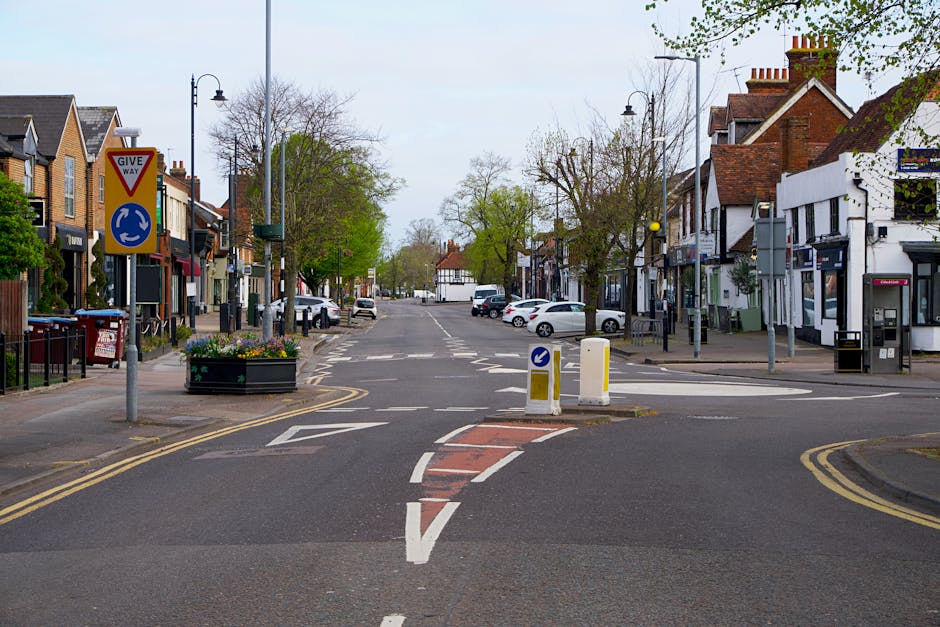
Narrow Access on Yiewsley High Street? Move Safely
Posted on 07/05/2026
Moving through a tight street can feel simple on paper and awkward in real life. If you are dealing with narrow access on Yiewsley High Street, the difference between a smooth move and a stressful one often comes down to planning, timing, and the right equipment. The good news is that awkward access does not have to mean risky lifting, damaged furniture, or blocked neighbours' driveways.
This guide explains how to move safely in restricted spaces, how to judge whether a van can reach the property, and how to prepare bulky items so they travel without drama. It also covers common mistakes, practical tools, and the kind of local considerations that experienced movers think about before the first box is lifted. If you want a calmer, more organised move, you are in the right place.
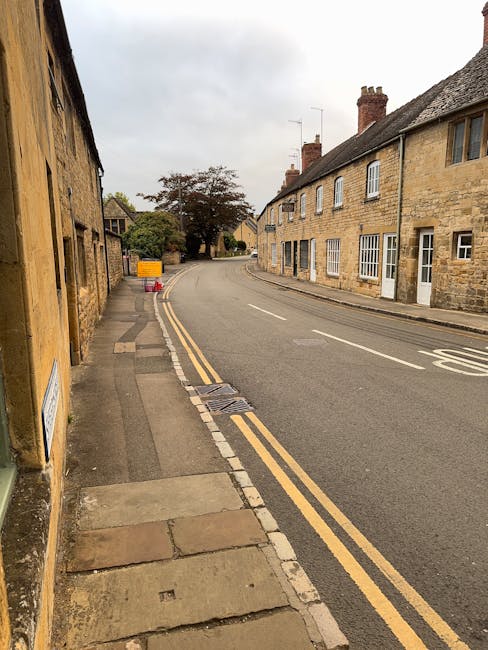
Why Narrow Access on Yiewsley High Street? Move Safely Matters
Narrow access matters because moving is not just about getting items from A to B. It is about doing it without injury, damage, delays, or friction with pedestrians, neighbours, and traffic. On a busy high street, every extra metre between the van and the front door can increase risk. A sofa that is awkward but manageable in a driveway can become a real problem on a pavement with railings, parked cars, steps, or a tight doorway.
Yiewsley High Street can present a mix of challenges that are easy to underestimate: limited loading space, unpredictable traffic flow, tight turning room, and properties with narrow hallways or shared entrances. That combination means a standard moving plan may need adjusting. In practice, this often means shorter carry distances, smaller vehicles, more careful parking, and more deliberate handling of bulky items.
There is also a human factor. Tight access makes people rush. They try to "just get it in" and end up twisting their backs, scraping walls, or bumping furniture into doorframes. That is exactly the kind of avoidable problem that a safer approach is designed to prevent. If you want a broader sense of how careful planning reduces stress, it is worth reading practical house-moving advice alongside this guide.
Expert summary: In tight-access moves, the safest route is rarely the fastest-looking one. It is the route that reduces lifting strain, protects the property, and keeps movement controlled from start to finish.
How Narrow Access on Yiewsley High Street? Move Safely Works
Safe movement in narrow-access areas begins before the van arrives. The process is usually a sequence of small decisions: checking measurements, planning the parking position, choosing the right moving equipment, and deciding which items should be taken out first. Done properly, it is organised and unhurried. Done poorly, it becomes a game of improvisation. And nobody wants to improvise with a wardrobe halfway through a staircase.
At a practical level, the method is simple:
- Measure the heaviest and widest items, plus the doors, hallways, and stair turns they must pass through.
- Check whether the van can park close enough for a safe carry without obstructing access.
- Pack and wrap items so they can be handled quickly and with fewer grip issues.
- Use the right lifting technique and the right equipment for each item.
- Move in an order that avoids congestion, with the biggest or most awkward items prioritised.
It also helps to split the job into two zones: the property side and the vehicle side. On the property side, you are protecting walls, floors, bannisters, and doorframes. On the vehicle side, you are protecting loading time, securing the route, and ensuring items are stacked in a way that will not shift during transport. That approach is especially useful when you are comparing service options such as man with a van support and broader removal services.
For heavier or more awkward loads, the process becomes even more dependent on preparation. A piano, for example, is not something you "sort of" move safely. If that is on your list, review the challenges of DIY piano moving before making a decision.
Key Benefits and Practical Advantages
Working carefully around narrow access is not just about avoiding mishaps. It creates real practical benefits that affect the whole moving day.
- Less risk of damage: Fewer tight turns and rushed manoeuvres mean fewer scuffs, chips, and broken fittings.
- Safer lifting: Shorter carries and better planning reduce strain on your back, shoulders, and hands.
- Smoother scheduling: A planned route through a narrow street is usually faster than repeated stop-start problem-solving.
- Better use of manpower: People are not left standing around trying to solve access issues on the spot.
- Less stress for everyone involved: You, the movers, neighbours, and building occupants all benefit from a calmer process.
There is also a subtle but important advantage: confidence. When access is tight, confidence matters. If you know the route, the lift points, the parking plan, and the order of loading, you stop second-guessing every step. That leads to fewer mistakes and a more professional pace.
People often focus on the van size, but the better question is whether the route from property to vehicle has been planned properly. In many cases, a smaller van positioned well is more effective than a larger one parked awkwardly. If you need help choosing the right approach, the broader services overview and pricing and quotes pages can help set expectations.
Who This Is For and When It Makes Sense
Not every move needs a specialised access plan, but quite a few do. This approach makes sense for anyone dealing with a narrow high street, tight residential frontage, shared entrances, or limited parking near the property.
It is especially useful for:
- flat moves with narrow stairwells or communal hallways
- house moves where the van cannot park directly outside
- student moves with smaller budgets but awkward access
- office moves involving equipment that must be carried carefully through shared spaces
- single-item moves such as sofas, beds, wardrobes, or pianos
Sometimes the issue is not the street itself but what sits behind the front door. A property may appear straightforward from the outside and still present a difficult internal route. That is why a good pre-move assessment should include the interior path, not just the road outside.
If you are relocating from a top-floor flat or a place where the lift is too small for furniture, flat removals support can be much more practical than trying to manage it alone. And for customers with urgent timing needs, same-day removals may be useful, provided access has been checked carefully first.
Step-by-Step Guidance
A narrow-access move becomes much easier when you treat it as a controlled sequence rather than a single big task. Here is a practical method that works well.
1. Survey the route
Walk from the property to the likely van position. Look for kerbs, steps, low walls, bollards, tight gates, uneven paving, and any pinch points. If there is even one awkward corner, note it. Small obstacles become big obstacles when you are carrying a mattress or a fridge.
2. Measure the largest items
Do not rely on memory. Measure sofas, beds, wardrobes, desks, and appliances. Then compare those sizes with door widths, stair turns, and corridor clearances. If the item can be angled safely, that may help. If it cannot, you need an alternative plan before moving day.
3. Decide the parking strategy
Choose the safest loading spot, not just the closest-looking one. In some cases, the best solution is to park slightly further away and make a clear, uninterrupted carry. That can be safer than squeezing the van into a spot that forces awkward reversing or blocking.
4. Prepare and label everything
Use strong boxes, clear labels, and protective wrapping for fragile or high-value items. Well-packed items are easier to lift and faster to stack. For practical packing advice, see these stress-free packing tips and the relevant packing and boxes support.
5. Move the largest items first
Bulky furniture should usually go early, while the route is still clear and the team is fresh. Waiting until the end means you may be working around stacked boxes, waste, or partially dismantled furniture. That is how access becomes even narrower.
6. Keep the route protected
Use floor runners, blankets, or edge protection where needed. A narrow route may only be a few metres long, but those metres are exactly where damage tends to happen. A wall scuff near the door is annoying; a damaged doorframe is worse.
7. Load systematically
Place heavier items at the base of the van and keep lighter or fragile items secure above or around them. Stack in a way that prevents movement. A safe load is a balanced load.
8. Do a final check before leaving
Confirm that nothing has been left in cupboards, under beds, in loft spaces, or behind doors. A final walkthrough prevents repeat trips. If you are finishing the property too, you may also find pre-move cleaning guidance useful for wrapping up neatly.
Expert Tips for Better Results
Experienced movers tend to focus on small improvements that make a surprisingly big difference. A few examples:
- Move early in the day: Streets are usually quieter, parking is easier, and the light is better for inspection.
- Keep one person on route control: Someone should watch door openings, passers-by, and moving hazards while others carry.
- Use shorter carry teams for awkward items: Fewer people can mean better control when the route is tight.
- Dismantle more than you think you need to: A partially assembled bed frame can be more difficult than a fully dismantled one.
- Pad corners twice if needed: On a narrow route, corner protection is cheap insurance against expensive regret.
One of the biggest expert habits is simply not forcing an item through a space it was never going to fit. That sounds obvious, but in the heat of the day people become optimistic in a very unhelpful way. If the route is tight, stop and reassess. A five-minute rethink is better than a damaged wall and a strained back.
For heavy objects or solo lifting, understanding body mechanics matters too. If you want a deeper look at safe lifting practice, the article on efficient heavy lifting for solo movers offers a useful perspective, and the same logic applies to careful handling on busy streets.
Common Mistakes to Avoid
Most access problems are made worse by avoidable mistakes. The good news is that they are predictable.
- Assuming the van can park anywhere: Parking restrictions, traffic, and road width may make that impossible.
- Skipping measurements: "It looked fine" is not a measurement.
- Trying to carry everything upright: Some items need tilting, rotating, or dismantling.
- Overpacking boxes: Heavy boxes are harder to carry through narrow routes and more likely to split.
- Leaving fragile items loose in the van: One sudden stop can undo all your care.
- Forgetting the return path: The route out matters just as much as the route in.
Another common issue is underestimating the time needed to navigate access points. A narrow doorway, a shared stairwell, or a short parking walk can add a lot of time if not planned properly. That does not mean the move is doomed; it simply means the schedule should be realistic.
If your move involves bulky furniture, consider furniture removals support rather than treating every item as a DIY carry. A little professional help can prevent a lot of friction.
Tools, Resources and Recommendations
The right equipment is not about looking professional for the sake of it. It is about making the move safer and more controlled. Useful tools for narrow-access work often include:
- Dollies or sack trucks: helpful for boxes, appliances, and some furniture types
- Furniture blankets: protect surfaces during tight turns and loading
- Ratchet straps: keep the load stable inside the van
- Corner protectors: useful where doorframes and walls are close to the path
- Gloves with grip: improve handling and reduce the chance of slipping
- Measuring tape: one of the cheapest and most valuable moving tools you can own
It also helps to have the right support pages to hand before move day. If you want to compare service levels, the removal companies overview can be a useful place to start. If budget and timing are key, review man and van options and the main removal services page. For peace of mind, the insurance and safety information is also worth checking.
For storage between moves, especially if access issues mean you need to stage items temporarily, storage solutions can reduce pressure and allow a more measured move.
Law, Compliance, Standards, or Best Practice
This type of move usually does not hinge on one specific law, but it should still follow sensible UK moving best practice. That means protecting people first, then property, then time. If parking, loading, or access affects a public highway, the plan should respect local restrictions and avoid unsafe obstruction. In a busy street, that is both courteous and practical.
For anyone organising the move, it is sensible to consider:
- Traffic and parking restrictions: loading should not create unnecessary danger or block access.
- Manual handling good practice: heavy items should be lifted in a way that reduces strain and twisting.
- Property care: doors, floors, communal areas, and external surfaces should be protected where needed.
- Insurance expectations: check what cover applies if something is dropped, scratched, or damaged in transit.
Best practice also means being honest about limits. If a sofa will not safely turn the stair landing, do not keep forcing it. If access is too tight for the plan you had in mind, revise the plan. That is not a failure; it is good judgement.
Readers who want to understand a provider's responsibilities can also review the site's health and safety policy, terms and conditions, and about us pages for a clearer picture of standards and service approach.
Options, Methods, or Comparison Table
There are several ways to approach a move with restricted access. The right choice depends on the item size, the building layout, and how much help you want on the day.
| Approach | Best for | Strengths | Limitations |
|---|---|---|---|
| DIY move | Small loads, short distance, simple access | Low direct cost, flexible timing | Higher physical strain, more risk if access is tight |
| Man and van | Medium loads, mixed items, tighter streets | More practical for awkward loading, usually quicker to adapt | May still need accurate planning and packing |
| Full removal service | Larger homes, multiple bulky items, complex access | Best all-round support, stronger planning and handling | Usually the most involved option to arrange |
| Staged move with storage | When access, timing, or property completion is uncertain | Reduces pressure and allows a slower, safer process | Requires extra coordination and possibly additional cost |
In real life, the best option is often the one that matches the access problem instead of fighting it. For a narrow high street, a smaller vehicle and a careful loading plan may work better than a large van or an overpacked DIY approach.
Case Study or Real-World Example
Consider a typical move from a first-floor flat near Yiewsley High Street. The resident has a double bed frame, mattress, two bookcases, a desk, and about a dozen boxes. At first glance, this sounds manageable. But the entrance has a narrow internal turn, the street has limited stopping space, and one bookcase is wider than the corridor at full length.
The safe solution is not to push harder. It is to work smarter:
- the bed frame is dismantled before moving day
- the bookcase shelves are removed to reduce width and weight
- boxes are capped at a manageable weight so they can be carried one-handed if needed
- the van is parked to allow a direct, clear carry route
- the mattress is wrapped so it stays clean while being manoeuvred through the communal area
What changed the outcome was not strength. It was preparation. The team reduced the number of awkward movements, avoided repeated re-lifting, and kept the route clear. That is the kind of result narrow-access planning is meant to deliver.
If your move includes special items such as a piano, the decision-making becomes even more important. The guide on DIY or professional piano moving shows why some items are better handled with specialist support, especially where access is limited.
Practical Checklist
Use this checklist before move day to reduce surprises and keep the process safe.
- Measure the widest furniture and compare it with the narrowest doorway or stair turn.
- Confirm where the van can safely stop without causing unnecessary obstruction.
- Identify any steps, rails, low ceilings, or awkward corners on the route.
- Pack heavier items into smaller boxes.
- Wrap fragile and polished surfaces before lifting begins.
- Dismantle large furniture if it will make the route safer.
- Set aside tools for disassembly, wrapping, and reassembly.
- Protect floors, walls, and doorframes where tight contact is likely.
- Keep keys, documents, and essentials separate from the main load.
- Walk the route one last time before the van leaves.
If you are dealing with clothing, bedding, seasonal items, or furniture that cannot move on the same day, temporary storage may be the safer answer. In that situation, long-term sofa storage tips and general storage planning can be more useful than forcing everything through one tight timetable.
Conclusion
Narrow access on Yiewsley High Street does not have to turn your move into a headache. With a sensible plan, the right vehicle positioning, good packing, and a careful approach to lifting, you can move safely and avoid the usual pinch points. The aim is not to rush through a difficult route. The aim is to make each part of the move predictable enough that nothing gets damaged and nobody gets hurt.
Whether you are moving a single bulky item or a full property, the safest approach is the one that respects the route as much as the furniture. Measure first, prepare early, and choose support that matches the space you are working with. That is how a narrow street becomes a manageable move instead of a stressful one.
If you want expert help with tight access, parking constraints, and careful handling, speak to a team that understands the realities of local moves. Get a free quote today and see how much you can save.