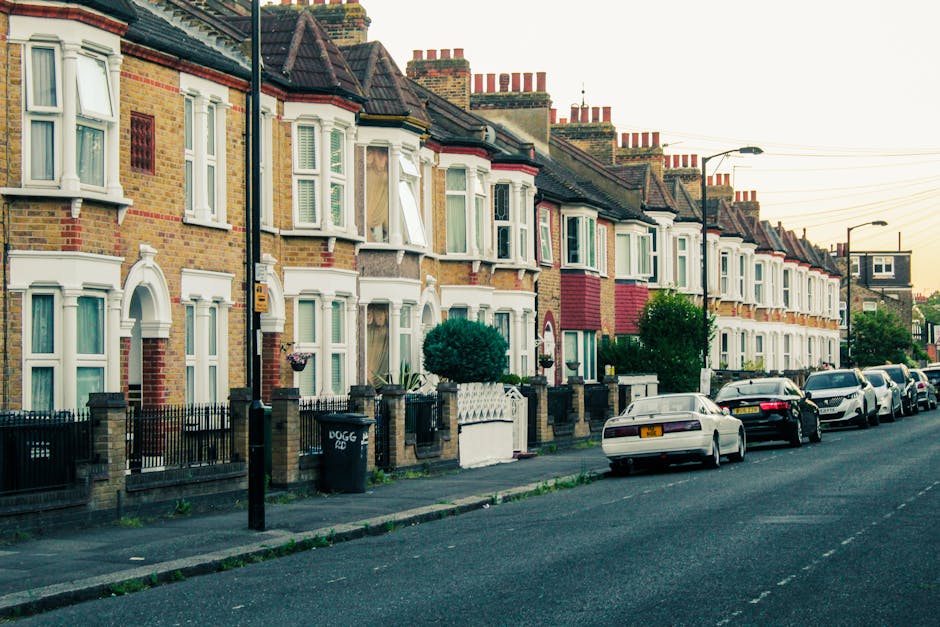
Terraced homes in Yiewsley: avoiding corner damage
Posted on 10/06/2026
Moving through a terraced house in Yiewsley can be deceptively tricky. The rooms may look manageable on paper, but the real challenge usually appears at the corners: tight turns on stairwells, narrow hallways, awkward door frames, and that one section where the sofa suddenly seems two sizes larger than it did five minutes ago. If you are trying to protect walls, banisters, furniture edges, and your own nerves, Terraced homes in Yiewsley: avoiding corner damage is not just a moving tip, it is the difference between a tidy move and a costly repair job.
This guide walks through the practical side of corner protection in terraced properties, with a local focus on the kinds of access issues people often face in Yiewsley. You will find real-world steps, a simple planning method, common mistakes, and a useful checklist you can actually use. If you're also preparing the rest of the move, it can help to read about what Yiewsley residents should prepare before moving day and the realities of stairs and access issues for bulky items in Yiewsley.
Why Terraced homes in Yiewsley: avoiding corner damage Matters
Terraced properties are brilliant in many ways. They often feel established, close-knit, and full of character. But that character usually comes with narrow circulation space, stairs that turn sharply, and corners that take a beating if you rush. The damage is often not dramatic at first. A scuffed paint line here, a chipped plaster edge there, a scraped stair nose, and suddenly the whole hallway looks tired.
Corner damage matters for three reasons. First, it is expensive to fix properly. Second, it is easy to cause with one awkward lift. Third, and this is the part people underestimate, it can slow the entire move down. Once a piece catches a wall corner, everyone pauses, repositions, and the stress level rises. You can almost hear the silence. Not ideal.
In Yiewsley, where many roads and homes have the usual London mix of limited parking, tighter frontage space, and older internal layouts, a move benefits from deliberate planning. The goal is not just to get furniture out. The goal is to get it out without turning the hallway into a repair list.
Practical takeaway: corner damage is usually prevented before the first item moves, not during the moment it brushes past the wall.
A smart move also helps when the property is being handed back at the end of a tenancy. If you are leaving a rented terraced home, avoiding wall and trim damage can make the final clean-up simpler too. For that side of things, a pre-move tidy can be surprisingly helpful; this is where a guide like making your home shine before moving out fits neatly into the plan.
How Terraced homes in Yiewsley: avoiding corner damage Works
The principle is simple: protect the route, reduce friction, and control the angle of movement. In practice, that means looking at every corner, turn, and pinch point as a risk area. A 3-seater sofa does not damage a hallway because it is heavy alone; it damages it when the mover has to twist too late, or lift too high, or force it round a bend that should have been measured first.
Corner protection works best when you combine planning with physical barriers and disciplined handling. The main techniques usually include:
- measuring large items and the tightest access points first
- protecting vulnerable corners with padding, blankets, or purpose-made guards
- removing obstacles such as shoe racks, lamps, plant pots, and loose mats
- using a controlled two-person or team lift with one person calling the turn
- taking furniture apart where it is sensible and safe to do so
It also helps to understand what causes damage in the first place. Most issues come from one of five things: speed, poor communication, awkward balance, underestimation of the item size, and trying to pivot in too small a space. A lot of people assume damage happens because something is heavy. Usually, it is because somebody lost the line of travel for half a second. Half a second is enough.
If you are handling particularly bulky items, it may help to review broader moving advice as well. The practical approach in efficient heavy lifting for solo movers can be useful for understanding body mechanics, even when you are not moving alone. And for items that need extra care, such as pianos, the choice between doing it yourself or getting help is worth thinking through; this piano moving guide is a good example of that kind of decision-making.
Key Benefits and Practical Advantages
A proper corner-damage plan gives you more than neat walls. It affects the whole move from start to finish.
1. Less risk of expensive touch-up work
Even a small scuff on fresh paint can be annoying, and in terraced homes those scuffs often land exactly where guests and future buyers notice them most: on the staircase bend, the living room entry, or the hallway corner. Protecting those points now is much cheaper than patching them later.
2. Faster movement through tight spaces
It sounds odd, but careful movement is often quicker than rushed movement. Once everyone knows the route, the turn angles, and the hand signals, the item moves cleanly. No backtracking. No bumping. Much less faff.
3. Better protection for furniture too
It is not only the property that suffers. Rounded table legs, wardrobe edges, sofa arms, and bed frames can all get battered by sharp turns. A damaged wall is frustrating; a damaged wardrobe corner is annoying in a completely different way.
4. Lower stress on moving day
People underestimate the emotional side. When the route is protected and the corners are under control, everyone is calmer. You notice it in the tone of voice, in the pace, in the way people stop saying "just squeeze it through".
5. Better result for rental deposits and sales viewings
For renters, less damage means fewer awkward conversations later. For owners preparing a sale, tidy corners and clean runs make the whole property feel cared for. That impression counts.
Who This Is For and When It Makes Sense
This approach is useful for almost anyone moving through a terraced property, but it is especially valuable if you recognise one of these situations:
- your hallway has a sharp 90-degree turn at the staircase or landing
- you are moving larger furniture such as sofas, wardrobes, bed bases, or cabinets
- the property has narrow doors or older plasterwork
- you have a rental exit inspection coming up
- you are helping a student or first-time mover with a small team and limited equipment
- you are dealing with same-day logistics and cannot afford a mistake
If you are moving a smaller load, the risk may still be real, just in a different form. A stack of boxes can crush a wall edge as easily as a bed frame if someone swings too wide. That is why even compact moves benefit from a bit of planning and the right vehicle approach, especially if you are considering a man and van in Yiewsley or a more structured house removals service.
For students, the issue is often less about giant furniture and more about quick, efficient load-outs from a terraced shared house or flat. If that sounds familiar, student removals in Yiewsley may be relevant.
Step-by-Step Guidance
If you want a simple process, use this one. It keeps the move practical and reduces guesswork.
- Walk the route slowly. Start at the front door and move all the way to the van access point. Check the tightest turn, not just the obvious ones.
- Measure the largest item. Note the height, width, and depth. If it has handles, corners, or a fixed protrusion, include that too.
- Measure the pinch points. Door frames, stair turns, banister gaps, and hallway bends all matter. The smallest section decides the plan.
- Protect vulnerable edges. Use padding, blankets, corner guards, and floor protection where needed. Pay attention to painted skirting and plaster corners.
- Clear the route completely. Move loose items before any lifting begins. A stray umbrella stand can cause as much hassle as a sofa.
- Assign roles clearly. One person leads, one supports, and one calls hazards. If there are more people, they should not all talk at once. That gets messy very quickly.
- Turn with the space, not against it. Often the best move is to tilt, lead with one end, and follow the natural line of the corridor rather than forcing a square turn.
- Pause before the tightest corner. Reset the grip, check the angle, and only then continue. A short pause saves a lot of damage.
- Inspect after each major item. Look for fresh marks on corners, handrails, and frame edges before moving the next piece.
A useful habit is to photograph any existing marks before you start. That way, if you find a chip or dent later, you know whether it was already there. Simple, but it removes a lot of uncertainty.
Expert Tips for Better Results
There are a few small details that make a surprisingly big difference in terraced-house moves.
Protect the corner before you arrive at it
Do not wait until the item is already half-way through the turn. By then, you are reacting, and reacting is usually where mistakes happen. Put protection in place first, especially around banister edges and the inside wall of the bend.
Use the right amount of padding
Too little padding, and corners still take a hit. Too much padding, and you reduce usable space even further. Balance matters. In cramped hallways, bulky protection can actually create the problem you were trying to solve. Bit annoying, really.
Keep the item moving smoothly
Starts and stops can make furniture swing. That swing is what knocks walls and stair edges. A calm, steady lift usually works better than a rushed push.
Choose your weather and timing wisely
Wet shoes, muddy steps, and poor visibility do not help. If you are arranging the move, it is sensible to think about local timing too. For example, knowing when Yiewsley streets allow removals can make the whole process smoother and less hurried.
Don't let the lifting team improvise
The best teams use clear commands: lift, hold, turn, down. Not "wait, no, the other way, sorry". You get the idea.
For awkward items, dismantle where sensible
Removing legs, doors, shelves, and cushions can transform a tight turn into an easy one. Just keep screws, fittings, and labels together so reassembly is straightforward later.
If you want a broader moving mindset, these stress-free house move tips can help keep the rest of moving day in line too. And if lifting technique is part of the challenge, kinetic lifting advice is worth a look for safer body movement.
Common Mistakes to Avoid
Most corner damage in terraced homes comes from very human errors. Nothing mysterious. Usually just a bit of overconfidence and not enough measuring.
- Skipping the route check. People measure the sofa but not the stair bend. Then the sofa wins.
- Protecting the wrong spots. The most obvious wall area is not always the most vulnerable one.
- Forgetting floor-level hazards. Door stops, thresholds, and loose rugs can shift the item at the worst moment.
- Overloading one person. If one mover is carrying the awkward end and also controlling the turn, trouble follows.
- Trying to force a piece through too quickly. Speed is rarely your friend in a tight corridor.
- Using poor-quality coverings. A thin blanket can slide around and leave edges exposed.
There is also a quieter mistake: assuming one successful move means the whole house is safe. A lot of damage happens on the second or third item, once people relax. That is the moment to stay alert, not the moment to drift off and admire the empty room.
Tools, Resources and Recommendations
You do not need a warehouse of equipment, but a few practical tools make the job much safer.
| Tool or resource | What it helps with | Best use case |
|---|---|---|
| Heavy-duty furniture blankets | Protects both furniture and walls | Sofas, wardrobes, bed frames |
| Corner guards | Covers sharp plaster or painted edges | Tight stair turns and hallway bends |
| Non-slip gloves | Improves grip and control | Carrying smooth or bulky items |
| Floor runners | Reduces scuffs on flooring and thresholds | Long internal routes |
| Measuring tape | Confirms clearances before lifting | Any item wider than a standard doorway feel |
| Labels and marker pens | Keeps dismantled parts organised | Furniture that needs reassembly |
If your home contains items you do not want to move right away, temporary storage can be a smart buffer. That gives you more breathing room and less pressure to force awkward furniture through the house on the same day. Storage in Yiewsley can be a practical part of the plan.
Likewise, choosing the right packing supplies matters more than most people think. Good cartons, wrap, and tape reduce last-minute shifting, which helps prevent a box corner from scraping a wall corner. For that, packing and boxes in Yiewsley are worth considering as part of the wider setup.
Law, Compliance, Standards and Best Practice
For most domestic moves, the main concern is not formal regulation so much as reasonable care, safe handling, and clear access planning. Still, there are a few best-practice points worth keeping in mind.
In the UK, anyone lifting or carrying heavy items should do so in a way that reduces the risk of injury. That means using the right team size, avoiding unnecessary twisting, and not carrying loads that are clearly beyond safe control. If you are hiring help, it is sensible to check that the provider has clear health and safety procedures, suitable insurance, and transparent working methods.
You should also be mindful of property condition, especially in rented homes. If you are moving out of a terraced property, preserving walls, banisters, and door frames is often part of the expected standard of care. It is not about being perfect; it is about being reasonable and careful.
If you are choosing a removal provider, look for clear information on handling, insurance, and safety practices. The details matter. A trustworthy company should be able to explain how they protect the property, how they handle bulky items, and what happens if something unexpected comes up. You can also review a firm's approach through pages like insurance and safety and health and safety policy.
On the practical side, make sure parking, loading, and access arrangements are sorted well ahead of time. If street access is awkward, or you are moving from a tighter road, planning matters just as much as lifting technique.
Options, Methods and Comparison Table
There is no single perfect method for every terraced home. The right choice depends on the item, the route, and how much help you have.
| Method | Best for | Pros | Limitations |
|---|---|---|---|
| DIY with household protection | Small moves and light furniture | Low cost, flexible timing | Higher risk in tight corners, more physical effort |
| DIY with proper moving equipment | Moderate loads and short routes | Better control and protection | Still needs confident handling and planning |
| Professional removals support | Bulky, awkward, or valuable items | Efficient, safer handling, less stress | Higher cost than doing everything yourself |
| Hybrid approach | Mixed loads or partially dismantled furniture | Good balance of cost and control | Needs clear coordination |
For many Yiewsley households, the hybrid option works best. You might pack and declutter yourself, then bring in support for the heavy lifting or awkward furniture. If that is the route you are exploring, a broader services overview can help you judge what level of help makes sense.
Case Study or Real-World Example
Picture a typical terraced house near the centre of Yiewsley. The hallway is narrow, the stairs turn hard to the left, and the living room sofa is a chunky two-piece that looked harmless until moving day arrived. The first instinct is often to tilt it and push. That usually fails.
In a better approach, the team clears the hallway first, protects the sharp inside wall of the stair turn, removes the sofa feet, and repositions the lift so one person leads the back end while another guides the front edge around the bend. There is a short pause at the landing. The sofa rotates slowly, almost like it is being threaded through the house rather than dragged out of it. No wall contact, no scuff marks, no raised voices. Pleasantly boring, which is exactly what you want on moving day.
That same method applies to beds, wardrobes, and even white goods. For a mattress or bed frame, using the right prep can save a lot of frustration; moving bed and mattress advice is especially handy if you are dismantling furniture before departure. For appliances that are being stored rather than moved immediately, something like freezer storage guidance can also help you avoid later problems.
Practical Checklist
Use this checklist before you move any large item through a terraced home.
- Measure the item and the narrowest access points
- Remove any detachable parts that reduce bulk
- Protect corners, banister edges, and door frames
- Clear the hallway, stairs, and landing completely
- Lay down floor protection if needed
- Assign one person to lead and one to guide
- Agree on simple commands before lifting begins
- Check the route in daylight if possible
- Have a second route in mind in case the first one fails
- Pause and reset if the item stops moving cleanly
- Inspect corners and walls after each major item
- Keep screws, fittings, and small parts bagged and labelled
A little extra prep can transform the day. And yes, it takes longer at the start. But it tends to save hours later. Funny how that works.
Conclusion
Terraced homes ask for a more measured kind of moving. The corners are tighter, the turns are sharper, and the damage risk is higher than it first appears. But with the right plan, that does not need to be a problem. The core idea behind Terraced homes in Yiewsley: avoiding corner damage is simple: measure properly, protect the route, communicate clearly, and move at the pace the space allows.
Whether you are handling a small flat move, a family house move, or a complicated furniture run, the same principles apply. Careful route planning, sensible lifting, and the right amount of protection will save time, money, and a lot of unnecessary stress. And if you do decide to bring in support, make sure it fits the property, the load, and the way you actually live in the house. That is the real win.
Get a free quote today and see how much you can save.
Sometimes the difference between a chaotic move and a smooth one is just a few well-placed preparations. Take your time, look after the corners, and the house will thank you for it in its own quiet way.