Yiewsley disposal rules, permits and penalties with Hillingdon
Posted on 30/07/2026
Yiewsley Disposal Rules, Permits and Penalties with Hillingdon: A Practical Local Guide
If you are planning a clear-out, a move, or a bulky-item pickup in Yiewsley, the rules around disposal, parking permits, and penalties can get confusing fast. One wrong assumption can turn a simple job into a fine, a missed collection, or a stressful last-minute scramble. That is why this guide on Yiewsley disposal rules, permits and penalties with Hillingdon focuses on the stuff that actually matters: what you can leave out, when you need permission, what can trigger enforcement, and how to keep your day moving without hassle.
To be fair, most people only think about this once they are already surrounded by bags, old furniture, or a van blocking the pavement. Been there, in a sense. The good news is that with a bit of planning, you can stay compliant, avoid unnecessary penalties, and make the whole process feel far more manageable.
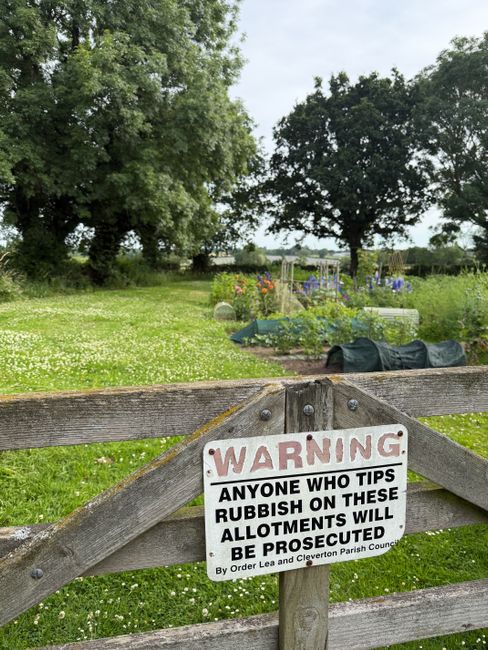
Why Yiewsley disposal rules, permits and penalties with Hillingdon Matters
Yiewsley sits in a busy part of west London where parking space is tight, access can be awkward, and traffic often feels just a bit more chaotic than you expected. That combination is exactly why local disposal rules and permit checks matter. If you are putting waste on the street, using a van for removals, or arranging a skip or bulky-item collection, you are often dealing with council-controlled roads, loading restrictions, and enforcement that is less forgiving than people assume.
For residents, the stakes are simple. A missed permit can mean a fine. Poorly placed waste can mean complaints from neighbours or a refusal to collect. And if items are left out incorrectly, they may be treated as fly-tipping or obstruction. That is a lot of risk for what should be a straightforward clear-out.
There is also a practical side. Following the right disposal route saves time, reduces repeat trips, and helps you avoid that awful feeling of seeing your neatly stacked bags still sitting there the next morning, untouched, because one small rule was missed. If you are also preparing to move, this is where a proper plan helps. Our decluttering guide before a move is useful if you want to reduce the amount you need to deal with in the first place.
Expert summary: In Yiewsley, disposal is not just about getting rid of items. It is about matching the item, the location, and the timing to the right local process so you avoid penalties and keep access clear.
How Yiewsley disposal rules, permits and penalties with Hillingdon Works
At a high level, the process usually falls into three buckets: what you are disposing of, where it is being placed, and whether a permit or permission is needed.
1) Know what type of waste or item you have
Different items are handled differently. General household rubbish, bulky furniture, white goods, electricals, garden waste, and renovation debris all tend to have different expectations. A sofa is not treated like a sack of garden clippings, and a broken freezer is definitely not just another bag of rubbish. If you are storing or moving large items while you decide what to do, our advice on storing sofas properly and keeping a freezer safe in storage may help you avoid damage before disposal.
2) Work out whether the item will be left on the public highway
If anything is placed on the street, pavement edge, verge, or another council-managed space, that can trigger parking or access issues. Even if the item is only there briefly, it may still count as occupying the highway. This matters for skips, vans, temporary loading, and even stacked waste bags.
3) Check whether a permit or permission is needed
Some situations require a permit or advance permission. That can include parking a removal vehicle in a restricted bay, using a loading space for longer than allowed, or placing a skip on the road. If you are unsure, treat it as a risk area rather than guessing. The wrong assumption is what gets people into trouble.
4) Follow the timing rules
Street timing can be just as important as location. In some parts of Yiewsley, there are clearer windows for loading, unloading, and access. A van arriving at the wrong time may be unable to stop legally, which then becomes a parking issue. If you are planning a move, it helps to read about when Yiewsley streets allow removals and the practical realities of narrow access on Yiewsley High Street.
5) Understand the penalty risk
Penalties usually come from one of a few common issues: illegal parking, obstructing the highway, leaving waste out incorrectly, not arranging the right permit, or breaching local rules on controlled roads. The exact enforcement outcome depends on the situation, but the general principle is steady: if your action creates a blockage, hazard, or unlawful placement, expect it to be noticed.
Key Benefits and Practical Advantages
Doing disposal properly is not just about avoiding fines. There are real-world benefits that make the whole move or clear-out smoother.
- Less stress: You are not left wondering whether a bag, skip, or van stop is going to cause a problem.
- Fewer delays: Correct planning reduces double-handling and wasted trips.
- Better neighbour relations: No one enjoys a blocked footway or bins left where people need to walk.
- Lower risk of damage: When bulky items are handled properly, corners, walls, and stair rails are less likely to get scuffed.
- Cleaner handover: If you are moving out, a tidy disposal plan makes the final clean-up much easier.
There is also a commercial angle. If you are comparing self-managed disposal with professional removal support, you are really comparing time, effort, and risk. For bulky items especially, professional help can be worth it simply because it reduces the chance of injury or a parking mistake. If you have a heavy bed frame or awkward mattress to move, moving your bed and mattress safely is worth reading first.
And yes, if you are lifting alone, the risk rises quickly. The piece on efficient heavy lifting for solo movers covers the sort of practical detail people usually wish they had checked before trying to shift something massive down a narrow hall at 7:30 on a damp Tuesday morning. Small mistake, big regret.
Who This Is For and When It Makes Sense
This guide is for anyone in Yiewsley who is dealing with disposal, access, or parking around a move or clear-out. That might be a homeowner, tenant, landlord, student, small business owner, or anyone trying to get rid of bulky items without creating a mess on the street.
It makes particular sense if you are:
- moving house and clearing old furniture at the same time
- disposing of items from a flat, terrace, or property with limited frontage
- arranging a same-day or short-notice removal
- using a van or skip near a restricted road
- unsure whether your waste should go to a collection, tip, or specialist service
- trying to avoid a parking ticket or enforcement notice from Hillingdon
Students and renters in particular often underestimate the speed at which a simple "we'll just leave it outside" plan can go wrong. If that sounds familiar, it may help to look at student removals in Yiewsley as part of a more organised approach, especially when move-out day is already busy enough.
Business owners and office managers should be equally cautious. Office waste, furniture, and equipment bring another layer of timing and access pressure, which is why office removals in Yiewsley can be useful when you need to keep disruption low.
Step-by-Step Guidance
If you want a clean, low-drama disposal plan, follow this sequence. It is boring in the best possible way.
- Sort the items by type. Separate reusable items, general waste, bulky furniture, electricals, and anything that may need specialist handling.
- Check what can be reused or donated. A surprising amount of furniture is still usable. If it is clean and sound, avoid sending it straight to waste.
- Measure access points. Doorways, stairwells, gates, and kerb space all matter. If the item barely fits, that is already your warning sign.
- Confirm whether the waste or vehicle will touch the road, pavement, or bay. If yes, check the permit or loading rules first.
- Book the right help early. For large, heavy, or awkward pieces, use a service that understands local access conditions.
- Prepare the path. Clear loose rugs, open doors fully, protect corners, and make sure the route to the van or collection point is unobstructed.
- Load safely and legally. Keep items secure, do not block sightlines, and avoid overhanging loads.
- Leave the area tidy. Sweep up, remove stray packing, and check whether anything has shifted after loading.
If the job is part of a bigger move, a broader plan helps. Our stress-free house move tips and smart packing techniques can make the disposal side feel less like a separate battle.
A small but useful habit: take photos before and after. Not for drama, just as a quiet record in case someone questions whether something was left in place or whether the footway was clear. A bit pedantic? Maybe. Helpful? Absolutely.
Expert Tips for Better Results
Here is where the practical experience really pays off.
- Plan around traffic and school-run pressure. Even a short road can become awkward at the wrong time of day.
- Keep a buffer for parking. If you think the van will need one space, plan as though it may need two options.
- Use protection on walls and floors. Cardboard corners, blankets, and straps save a lot of headaches.
- Think about the full sequence, not just disposal. If the sofa has to pass the freezer, the table, and the staircase first, the route matters more than the item.
- Choose lighter collection windows where possible. Early morning can be calmer, with less foot traffic and fewer parked cars.
- Ask one person to watch the exit route. A second pair of eyes catches issues you miss when carrying something bulky. That one extra minute can save a chipped wall.
For heavy or fragile items, a controlled lifting technique matters. The guidance in kinetic lifting principles is a useful reference point if you want to reduce strain without overcomplicating the job. And if the item is especially awkward, there is no shame in getting a specialist. In fact, that is usually the smarter move.
Truth be told, the best disposal jobs are often the quiet ones. No noise, no rushing, no improvising with half a plan and a prayer.
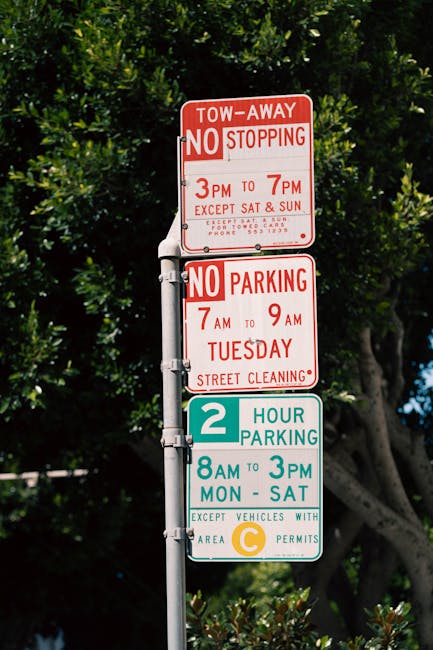
Common Mistakes to Avoid
Most penalties and wasted trips come from a handful of predictable mistakes. The good news is that they are avoidable once you know what to look for.
- Assuming loading always equals permission. Even short stops can fall foul of restrictions.
- Leaving waste outside too early. If collection times are specific, early placement can create complaints or enforcement issues.
- Blocking pavements or driveways. Even partial obstruction can be a problem.
- Using the wrong method for the item. A fridge, piano, or large wardrobe should not be treated like general rubbish.
- Forgetting about access constraints. Terraced homes, narrow driveways, and shared entrances often need more thought than expected.
- Not checking the condition of the route. Wet leaves, loose gravel, and tight stairs are all small hazards that become larger when you are carrying weight.
If your move involves a terraced property or awkward corners, those risks become even more relevant. It may be worth reading about avoiding corner damage in terraced homes and handling stairs and access issues for bulky items before moving anything large.
And if you are working with a tight driveway, especially in places like Horton Road, a little planning goes a long way. Narrow margins are where mistakes usually happen.
Tools, Resources and Recommendations
You do not need a huge toolkit to handle disposal well, but a few simple things make life easier.
- Measuring tape: Helpful for checking whether bulky items will fit through doors or along hallways.
- Gloves with grip: Better than thin gardening gloves when handling rough or awkward materials.
- Furniture blankets or old duvets: Good for protecting items and walls during moving.
- Ratchet straps or strong tie-downs: Useful for keeping loads secure in a van.
- Marker pens and tape labels: Great for separating keep, donate, recycle, and dispose piles.
- Checklist on paper or phone: Simple, but it stops things being forgotten in the rush.
For people preparing a larger move, the following internal guides can help keep the process organised: what Yiewsley residents must prepare, the pre-move-out cleaning guide, and packing and boxes support.
If you do not want to do the lifting yourself, you may prefer a flexible service such as man and van in Yiewsley, man with a van in Yiewsley, or a more full-service option via removal services in Yiewsley. Different jobs need different levels of support, and that is fine.
Law, Compliance, Standards, or Best Practice
Because this topic touches disposal, highways, and potential penalties, it is worth being careful. Local rules can vary depending on the street, the item, and the exact activity taking place. The safest approach is to treat every street-level disposal or parking decision as something that may need checking in advance.
General best practice in the UK usually includes the following:
- do not obstruct the highway or pavement
- do not assume a short stop is automatically allowed
- keep waste secure so it does not become litter or a hazard
- follow permit conditions exactly if one is issued
- use competent handling methods for heavy or awkward items
- separate recyclable material where practical and lawful
If you are working near a council-controlled road, especially where parking is tight, the safest mindset is simple: check first, act second. That approach is far less exciting than improvising, but much better for your wallet.
For reassurance on how a reputable local operator should work, it may help to look at the company's health and safety policy, insurance and safety information, and recycling and sustainability approach. Those pages are often a good sign that the practical side is taken seriously, not just the sales pitch.
Options, Methods, or Comparison Table
Here is a simple comparison of the most common ways people handle disposal and move-related waste in Yiewsley.
| Method | Best for | Main advantage | Main risk |
|---|---|---|---|
| Self-disposal in a car or van | Small loads, light reusable items, quick trips | Flexible and can be cheap | Parking issues, lifting strain, multiple trips |
| Bulky-item collection | Single large household items | Less lifting and fewer trips | Timing rules and item restrictions |
| Skip hire | Renovation waste or larger clean-outs | Handles more waste in one go | May need permission if placed on the highway |
| Professional removals support | Furniture, appliances, full-room clear-outs | Less stress and safer handling | Costs more than DIY |
In practice, a lot of people end up using a mix. For example, keep the small recyclables for one trip, arrange professional help for the sofa and wardrobe, and deal with the remaining items separately. That is usually more efficient than trying to force everything into one plan that was never realistic in the first place.
If your job is time-sensitive, you may also want to review same-day removals in Yiewsley or a removal van in Yiewsley depending on how much you need shifted and how quickly it has to happen.
Case Study or Real-World Example
Picture a fairly typical Yiewsley scenario. A couple is moving out of a flat and has one old sofa, a bed base, two broken chairs, a freezer, and several bags of mixed household waste. They first think they can leave everything outside the building the night before. Sounds easy. It is not.
Once they check access, they realise the pavement is narrow, the road is already tight with parked cars, and one item would block the doorway if left out early. Instead of setting everything out and hoping for the best, they split the job:
- the reusable chair goes aside for donation or resale
- the freezer is handled as a separate item because it needs careful moving
- the sofa is measured and planned for a clear exit path
- mixed waste is bagged and kept inside until the correct time
- a vehicle is arranged so the loading area stays legal and short-lived
The result? No neighbour complaints, no obstruction, and no mad dash to move things after a warning. More importantly, the day feels calmer. The couple still has a bit of lifting to do, of course, but the chaos never gets a foothold.
That is the real value of understanding local disposal rules. Not glamour. Just fewer problems.
Practical Checklist
Use this checklist before you move, clear out, or dispose of bulky items in Yiewsley.
- Identify every item you want to dispose of
- Separate reusable, recyclable, and general waste
- Measure doors, stairs, and the route to the exit
- Check whether a permit or loading restriction applies
- Confirm vehicle access and parking space in advance
- Protect walls, corners, and floors before moving anything heavy
- Arrange help for lifting awkward or valuable items
- Keep waste secure until the correct collection or removal time
- Leave the pavement, road, and communal areas clear
- Clean the space afterwards so nothing is left behind
If you want a fuller plan, a combination of last-minute move options and parking fine avoidance tips can be helpful when time is short and the pressure is on.
Little practical note: keep a spare bag, a roll of tape, and one marker pen within reach. It sounds trivial. Then suddenly it is the thing that saves the afternoon.
Get a free quote today and see how much you can save.
Conclusion
Yiewsley disposal rules, permits and penalties with Hillingdon are not something to panic about, but they do reward careful planning. If you understand what you are disposing of, where it is being placed, and whether a permit or parking check is needed, you can avoid the most common fines and keep the whole process under control.
The simple aim is this: move smart, dispose responsibly, and do not let a small access issue become a big cost. When you plan well, the day feels lighter. The van gets in, the items go out, and everyone breathes a bit easier afterwards. That is the kind of result people remember.
And honestly, that calm finish is worth a lot.