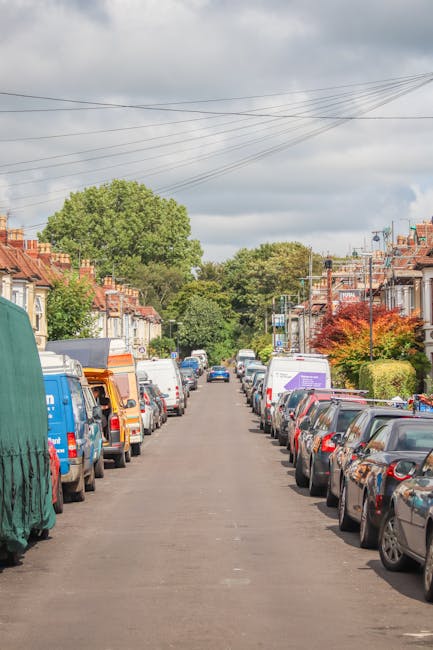
Narrow driveways on Horton Road, Yiewsley -- moving tips
Posted on 18/06/2026
If you're moving on Horton Road and the driveway feels more like a careful squeeze than a proper turning space, you're not alone. Narrow driveways change everything: how the van is parked, how furniture is carried, how long the move takes, and how much stress everyone feels by 9 a.m. The good news is that a tight access point does not have to turn moving day into a drama. With the right prep, the right vehicle positioning, and a bit of local know-how, narrow driveways on Horton Road, Yiewsley -- moving tips can make the difference between a smooth handover and a scratched wall, a strained back, or a van stuck at an awkward angle. This guide walks through what matters, how to plan, what to avoid, and when it makes sense to bring in experienced help.
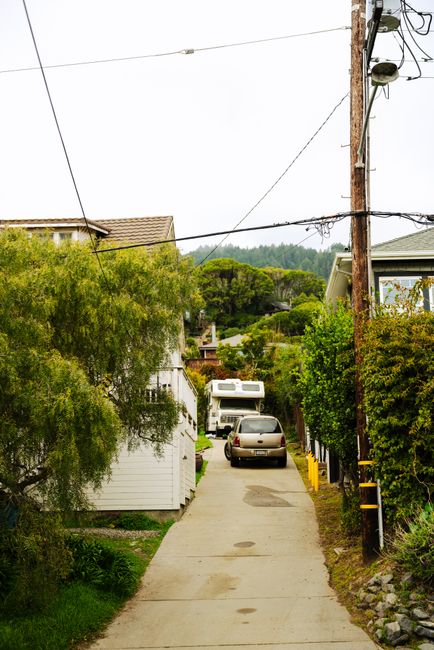
Why Narrow driveways on Horton Road, Yiewsley -- moving tips Matters
Access is one of those things people only notice when it goes wrong. A driveway that looks "fine" on a quick viewing can become a real bottleneck once a removal van, trolleys, blankets, and a few bulky items arrive. Horton Road is exactly the kind of place where a little mismatch between vehicle size and space can snowball into delays. You may need extra manoeuvring, more time carrying items from the vehicle to the front door, or a different unloading plan entirely.
What makes it important is not only convenience. Narrow access can affect safety, property protection, and cost. If a van cannot pull in far enough, the team may need to park farther away and do multiple shorter carries. That can be perfectly manageable, but it needs planning. It also changes how you protect corners, paving, fences, and door frames. One awkward turn with a wardrobe is enough to leave a mark, and once that happens, the move feels far less tidy than it should.
To be fair, most moving problems on tight driveways are predictable. That's the encouraging part. If you know the driveway is narrow, you can plan around it instead of discovering it at the worst possible moment, usually with the clock ticking and someone asking where the kettle box went.
If you want a broader look at how access issues affect local moves, it can help to read this guide to narrow access in Yiewsley alongside your driveway planning.
How Narrow driveways on Horton Road, Yiewsley -- moving tips Works
The basic idea is simple: reduce the amount of space needed at each stage of the move. That means choosing a vehicle that fits the access you have, preparing the driveway so nothing gets in the way, and sequencing the move so the largest or most awkward items come out at the right time.
In practice, a narrow-driveway move usually works in one of three ways:
- Direct pull-in and unload: The van enters part of the driveway, unloads safely, and exits without blocking the whole route.
- Kerbside unload: The van parks as close as it can outside the property and items are carried in short, controlled runs.
- Staged unloading: The team unloads the most essential items first, then heavier or bulkier furniture once the route is clear.
Which method works best depends on the width of the drive, the turning radius, the type of vehicle, and the layout of the property. A terraced or semi-detached home may look straightforward from the street, but the real challenge is often the angle at the entrance, the width of the gate, or the line you need to take around a parked car.
There's also a human factor. If everyone rushes, narrow access becomes risky. If the team pauses, checks the path, and communicates clearly, things usually go much better. That sounds obvious, but on moving day obvious things are easy to forget.
Key Benefits and Practical Advantages
Working carefully with a narrow driveway is not just about avoiding problems. It gives you some real advantages too.
- Less damage risk: A tighter, more controlled plan protects walls, fences, and belongings.
- Better time management: Knowing the access limits helps everyone load and unload in the right order.
- Lower physical strain: Shorter, clearer routes reduce awkward lifting and unnecessary carry distances.
- Cleaner vehicle handling: A van that is positioned correctly is easier to load and far less stressful to reverse out of.
- Fewer surprises: When access is mapped out in advance, there's less last-minute problem solving on the pavement.
There's another subtle benefit: better confidence. A move feels calmer when nobody is guessing. You can feel it in the first ten minutes. People stop hovering, the boxes have a place, and the whole day gets a bit less chaotic. Small win, but a real one.
For people moving larger household items, especially awkward furniture, it can also be useful to look at smart packing techniques for a trouble-free house relocation and expert advice on moving your bed and mattress. Both tie in neatly with access planning because the way you pack affects the way you carry.
Who This Is For and When It Makes Sense
This advice matters for anyone moving from, into, or past a property with limited vehicle access on Horton Road. That includes families in full house moves, tenants moving flats, students with a small van load, and homeowners dealing with a few heavy pieces rather than a complete relocation.
It is especially useful if you have:
- a driveway that only fits a small van or partial parking
- a shared access route with neighbours
- large furniture such as sofas, beds, wardrobes, or a piano
- newly painted walls, tight corners, or decorative frontage you want to protect
- a move scheduled for a busy time of day
It also makes sense if you're deciding between doing it yourself and hiring support. Narrow access is one of those factors that can quietly push a DIY plan over the edge. You may have enough helping hands, but not enough space for everyone to work safely. And that's the sort of detail people only realise after the first wobble with a mattress.
If you are moving solo or with limited help, some of the guidance in efficient heavy lifting for solo movers and kinetic lifting tips may be useful, but always treat narrow access as a safety issue first, not a fitness challenge.
Step-by-Step Guidance
1. Measure the access properly
Don't guess. Measure the driveway width at its tightest point, not just at the entrance. Check gate openings, turning space, and any pinch points caused by bins, hedge lines, parked cars, or low walls. Even a good eye can be fooled here. A driveway that looks generous at the kerb may narrow quickly halfway in.
2. Match the van to the space
If you know the access is tight, choose a vehicle that can actually use it. A smaller removal van or a man-and-van setup may be more practical than an oversized vehicle that technically carries everything but cannot manoeuvre confidently. Bigger is not always better. In fact, sometimes it is just bigger.
3. Clear the route before the van arrives
Move cars, bins, plant pots, hoses, bikes, and anything else that could snag the route. Keep both sides of the driveway as open as possible. If there's a family car parked at the wrong angle, it can eat up the entire margin you thought you had.
4. Protect the property first
Use covers or protective materials on anything likely to take a knock: gate posts, door frames, corners, and delicate paving. If the path is tight, protection should go down before the first item comes off the van. It is much easier to prevent a mark than explain one later.
5. Load in the right order
Heavy, awkward, and fragile items should be planned carefully. Things like mirrors, mattresses, wardrobes, and white goods need specific handling, not just enthusiasm. If you've got any deep-freeze or refrigeration items in the mix, it may help to read how to safely store your freezer and maintain its integrity before moving day.
6. Use a spotter outside
One person guiding the van while another manages the load can prevent a lot of bother. A spotter is especially helpful when reversing or making a tight turn. Clear hand signals, calm instructions, no shouting. Moving day is not the time for a small drama club performance.
7. Carry in shorter, safer runs
If the driveway is too narrow for continuous movement, break the job into efficient runs. Set items down only where they won't block the route. Keep the path clear as you go, and resist the temptation to stack boxes in the middle "just for a minute". That minute has a habit of becoming twenty.
8. Re-check as the move progresses
Conditions change. The route may feel wider at the beginning and tighter once boxes, wrap, and people start moving around. Reassess after the first few items. If the original plan is getting clumsy, change it. A good move is flexible, not stubborn.
Expert Tips for Better Results
Here's the bit that tends to save the most time: plan like the driveway is smaller than you think. That sounds pessimistic, but it works. If the move still runs smoothly, brilliant. If not, you've already built in breathing room.
- Use furniture covers and corner guards early. A narrow drive leaves less margin for error, so protection should be in place before lifting starts.
- Strip bulky items down where possible. Remove table legs, shelves, cushions, and loose fittings.
- Keep one "clear lane" at all times. Do not let empty boxes and wrap creep into the path.
- Park the van with the exit in mind. Getting in is only half the game. Getting out cleanly matters just as much.
- Pack the essentials separately. You don't want to search for keys, chargers, or tea bags while the driveway is full of furniture.
One thing we see often is people underestimate how much easier the move becomes after decluttering. Less stuff means fewer trips, fewer turns, and fewer chances to scrape something. If you haven't sorted that part yet, this decluttering guide before a move is a sensible place to start.
And if you're moving items like sofas, especially through a tight access point, it may help to think about protection and transport together. The article on sofa storage and protection is relevant if the piece needs to wait before being placed in the new home.
Expert summary: Narrow driveway moves go best when the route is measured, the van is sized correctly, and the load order is planned around the property rather than against it. Keep the path clear, protect the corners, and slow the pace just enough to stay accurate.
Common Mistakes to Avoid
Most access-related moving mistakes are avoidable, which is annoying in the moment and reassuring later.
- Using the wrong vehicle size: A van that's too large can turn a simple move into a reversing puzzle.
- Skipping measurements: Eyeballing a driveway is not enough.
- Leaving cars in the way: This one causes more delays than people expect.
- Pushing through with oversized items first: Sometimes the biggest item should not be the first item.
- Ignoring the exit route: Once the van is in, the focus should still include how it gets out again.
- Overloading one carry team: If the access is tight, fatigue sets in quickly.
- Forgetting the neighbours: Shared access is easier when everyone knows roughly what's happening and when.
A small but important mistake is assuming that narrow access only affects the van. Actually, it affects the people carrying the item too. If someone has to twist at an awkward angle around a gatepost, that is where slips happen. It's rarely the obvious moments, is it?
Tools, Resources and Recommendations
You do not need a mountain of equipment, but the right few tools make a lot of difference on a tight access move.
- Measuring tape: For driveway width, gate openings, and furniture dimensions.
- Protective blankets and wraps: Useful for door frames, corners, and furniture surfaces.
- Furniture sliders or dollies: Helpful when the route is flat and clear enough for them.
- Ratchet straps or tie-downs: Important for securing items inside the van.
- Gloves with grip: Better control on awkward or bulky items.
- Labels and box markers: Speed matters when the route is tight and you don't want to hunt for the kitchen box later.
For more general moving preparation, the article on tips for a harmonious and stress-free house move has useful planning ideas that pair well with access planning. And if you're choosing a service style, services overview is a useful way to compare what's available before you commit.
If your move involves a flat, narrow stairs, or a mix of access problems, you may also want to look at flat removals in Yiewsley and stairs and access issues for bulky items in Yiewsley. Tight driveways often come with other access quirks nearby, so it helps to think in full picture terms.
Law, Compliance, Standards, or Best Practice
For most domestic moves, the biggest "rules" are practical rather than formal. That said, there are still a few standards of care worth respecting. Vehicles should be parked legally and considerately. Access routes should remain safe for residents, pedestrians, and neighbours. If a property has shared driveways or communal access, you should make sure your moving plan doesn't block emergency access or create avoidable inconvenience.
In the UK, lifting and carrying should be approached with common-sense manual handling practice. That means not lifting beyond your ability, avoiding twisting under load, and using proper equipment where possible. It also means being honest when a job needs more than one person or a different method. There's no medal for pushing through poor access and regretting it later.
If you are using a professional removals team, good practice usually includes risk-aware planning, sensible vehicle positioning, and appropriate insurance cover for the work being done. It is also fair to ask how they handle access checks and what happens if the driveway turns out to be tighter than expected on the day.
For anyone who wants to understand the company's approach to working safely, the health and safety policy and insurance and safety pages are useful reading. If you care about waste handling and end-of-move decisions, recycling and sustainability is worth a look too.
Options, Methods, or Comparison Table
Here's a simple comparison of common approaches for a narrow driveway move on Horton Road.
| Method | Best for | Pros | Watch-outs |
|---|---|---|---|
| Small van direct access | Moderate driveways with enough turning room | Shortest carry distance, quicker loading | May still be too tight for turning or reversing |
| Kerbside parking with short carries | Very narrow drives or awkward entrances | Safer manoeuvring, easier exit | More trips and more walking with items |
| Staged unloading | Moves with mixed item sizes | Flexible, reduces blockage | Needs good coordination |
| Professional removal support | Large, fragile, or time-sensitive moves | Less strain, better handling, access-aware planning | Usually costs more than a DIY option |
In many cases, the right answer is a blend of these. For example, a small van may handle the driveway, but a staged unload may still be best for heavier furniture. If your move is last-minute, the article on last-minute move options in Yiewsley could help you decide quickly. And if you simply want a more hands-off approach, man and van Yiewsley is often the sort of service people consider for tighter local access.
Case Study or Real-World Example
Imagine a typical weekday move on Horton Road. A family is leaving a semi-detached property with a driveway that looks usable, but only just. There's a parked car on the street, a low wall at the entrance, and a sofa that definitely did not seem that large in the shop. They first thought a standard van would be fine. On paper, maybe. In reality, no.
The better plan was to use a smaller removal vehicle, clear the driveway the evening before, and unload in stages. The team kept the route open, protected the wall corner with blankets, and carried the sofa through first while everyone was still fresh. Beds and boxes followed, with the heavier items brought in after the van had a clean exit path. There was no shouting, no damage, and no frantic "where did we put the kettle" moment until the very end, which is practically a success story in itself.
What made the difference? Three things: measurement, timing, and restraint. They did not try to force a bigger van into a smaller space. They did not leave the driveway cluttered. They did not try to move everything at once. Quite straightforward, really, but that's often where the best moves are won.
For families handling more complex furniture, it can also help to read terraced homes in Yiewsley and avoiding corner damage, because the same principles apply: tight access, careful angles, and protection at the vulnerable points.
Practical Checklist
Use this as your last look before moving day.
- Measure the driveway at its narrowest point
- Check gate width and turning room
- Choose a van size that suits the access
- Clear cars, bins, bikes, and garden items
- Protect walls, corners, and fragile edges
- Plan the order of items before loading starts
- Keep the exit route open at all times
- Separate essentials from bulk items
- Use a spotter for reversing or tight manoeuvres
- Tell neighbours if shared access may be affected
- Keep tools, tape, and blankets ready before the van arrives
- Review the plan once the first load has been moved
Quick takeaway: narrow driveway moves are rarely difficult because of one single problem. They become difficult when several small things go unplanned at the same time. Sort the small things, and the day gets much easier.
Conclusion
Narrow driveways do not have to derail a move on Horton Road. They just demand a more careful, more practical approach. Measure properly, choose the right vehicle, keep the access route clear, and avoid the temptation to rush bulky items through a space that barely fits them. That one bit of discipline saves a surprising amount of stress.
If you are moving soon, the smartest next step is to assess the driveway now, not on moving morning. Check the tight spots, plan the carry route, and decide whether the job is better handled with a small van, a staged unload, or extra help. It's one of those tasks that feels a bit tedious beforehand and wonderfully boring afterward - which, frankly, is ideal.
Get a free quote today and see how much you can save.
And if you want to feel properly prepared, take a calm look through the rest of your move plan this evening, while there's still time to breathe and make the small fixes that matter.